Research Areas
1. ADHD Treatment Patterns & Outcomes ⭐ PRIMARY FOCUS
|
Focus: Understanding who receives ADHD treatment, how medications are prescribed, and real-world outcomes in children, adolescents, and adults. Key Questions:
Methods:
Major Finding: Swedish study analysis showing ADHD medications linked with 30-50% lower rates of accidents and arrests—landmark evidence for protective effects beyond symptom control. Publications:
Active Studies:
Funding: NIH/NIMH, Columbia Research Stabilization Fund |
2. Cannabis Use Disorders in Adolescents ⭐ PRIMARY FOCUS
|
Focus: Examining patterns of cannabis use among U.S. adolescents, mental health consequences, and intervention strategies, particularly addressing "nondisordered" use below diagnostic thresholds. Key Questions:
Groundbreaking Discovery: "Casual" or "recreational" cannabis use—without meeting addiction criteria—affects 2.5 million US teens and carries significant mental health risks (2x higher depression, 2x higher suicidal ideation, 4x higher arrests) previously overlooked by researchers. Publications:
Active Study:
Funding: NIDA K12 Career Development Award (2021-2026, $670K) |
3. Digital Therapeutics: PAWS Project ⭐ MAJOR INITIATIVE
|
Project Name: PAWS (Pawsitive Companion) Innovation: PAWS transforms evidence-based cannabis use disorder (CUD) treatment into engaging acts of caring for a digital pet—specifically designed to reach youth in underserved areas where specialized addiction care is inaccessible. Dr. Sultan's Responsibilities as MPI:
Why This Matters: This project represents a pivotal step in applying scalable technology to resolve critical access barriers in youth addiction treatment. Adolescents using cannabis "casually" have been invisible to screening and intervention—this research reveals an at-risk population 4x larger than those with diagnosed cannabis use disorder. Collaborators:
|
4. Psychopharmacology Safety & Prescribing
|
Focus: Improving safety and understanding of psychiatric medications through research on prescribing patterns, adverse events, and regulatory changes. Key Contributions: Clozapine Monitoring Research: Dr. Sultan's work on clozapine-associated hematologic events contributed to FDA policy changes dismantling restrictive clozapine REMS (Risk Evaluation and Mitigation Strategy) guidelines, potentially increasing access to this uniquely effective medication for treatment-resistant schizophrenia. Publications:
|
5. Evolutionary Psychiatry
|
Focus: Understanding psychiatric conditions through an evolutionary lens—examining why traits that cause impairment in modern environments may have been adaptive in ancestral contexts. Key Questions:
Public Engagement: Dr. Sultan discussed evolutionary ADHD on the Hacking Your ADHD podcast, explaining the hunter-gatherer hypothesis and mismatch theory. Lab Page: Evolutionary Psychiatry Research Area Related Content: Is ADHD Evolutionary? The Hunter-Gatherer Theory |
Research Methods & Expertise
The Sultan Lab employs cutting-edge computational psychiatry methods:
Mental Health Informatics
- Natural Language Processing (NLP): Extracting clinical information from electronic health records
- Large-scale database analysis: IQVIA, MarketScan, Medicaid claims data
- Machine learning: Predictive modeling of treatment outcomes
- Data visualization: Translating complex findings into actionable insights
Epidemiologic Methods
- Psychopharmacoepidemiology: Studying medication use patterns in large populations
- National surveys: NCS-A, NSDUH data analysis
- Cross-sectional and longitudinal designs
- Propensity score matching: Controlling for confounders in observational data
Clinical Trial Design
- UG3/UH3 phased trials: Feasibility followed by efficacy testing
- Digital therapeutic validation: Integrating AI into clinical workflows
- Youth engagement strategies: Recruitment and retention in underserved populations
Research Impact
Publications & Citations
| Metric | Count |
|---|---|
| Total Citations | 440+ |
| Peer-Reviewed Publications | 40+ |
| H-Index | 15+ |
| First-Author Papers | 15+ |
| JAMA/JAACAP/Pediatrics Pubs | 5 |
Most Cited Work: Antipsychotic Treatment Among Youths with ADHD (JAMA Network Open, 2019) - 411 citations, establishing foundational evidence for prescribing practices in pediatric populations.
View Complete Publication List →
Policy Impact
- FDA Guidance: Research contributed to dismantling clozapine REMS restrictions
- Clinical Guidelines: Findings inform ADHD treatment recommendations
- Public Health: Cannabis research influences substance use policy discussions
Media & Public Engagement
- 234 media mentions including Time Magazine, NPR, Psychiatric Times
- 19 podcast appearances on ADHD, cannabis, and digital therapeutics
- Television: Featured on PIX11 discussing adult ADHD
View Media Coverage → | Listen to Podcast Appearances →
Active Funding
Total Active Funding: $670,000+
Research Stabilization Fund (Columbia University) - PI
Period: 06/2025-06/2026
Purpose: Bridge funding for early-career research; supports ongoing analyses of ADHD treatment patterns in large datasets
NIDA K12 Substance Use Clinical Scientist Career Development Award - Scholar/PI
Period: 07/2021-06/2026
Institutions: Columbia University & Mass General/Harvard
Focus: Patterns and outcomes of adolescent substance use and ADHD-related risk behaviors
Mentor: Frances Levin, MD
Past Funding
NIMH T32 Translational Research Fellowship (2016-2019)
Postdoctoral training in child psychiatry research at Columbia
AACAP Elaine Schlosser Lewis Award (2016-2017)
Pilot research on attention disorders and disruptive behavior
Lab Team
Current Team Size: 7 researchers
Principal Investigator
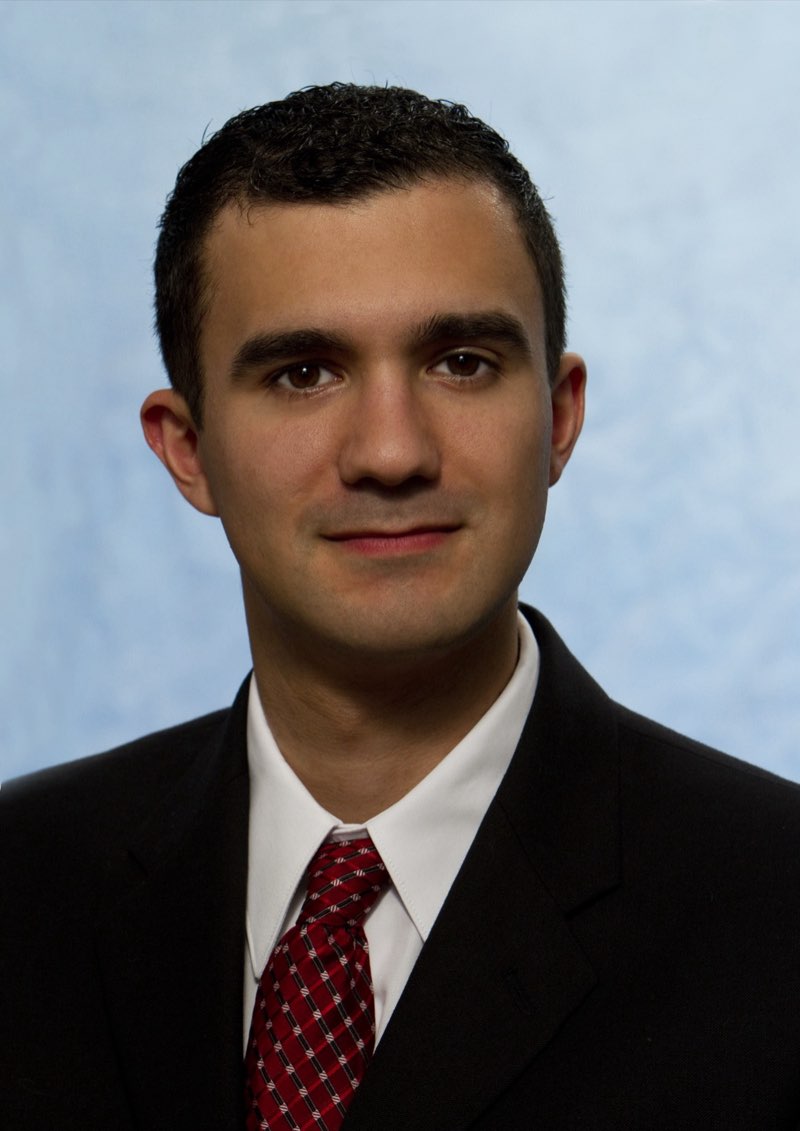
Ryan S. Sultan, MD
Assistant Professor of Clinical Psychiatry
Columbia University Irving Medical Center
Director, Sultan Lab for Mental Health Informatics
Training:
- MD - Drexel University College of Medicine
- Adult Psychiatry Residency - Emory University
- Child & Adolescent Psychiatry Fellowship - Columbia/Cornell/NYP
- NIMH T32 Research Fellowship - Columbia University
Board Certifications:
- American Board of Psychiatry and Neurology - General Psychiatry (2015)
- American Board of Psychiatry and Neurology - Child and Adolescent Psychiatry (2016)
- Harvard Certified Mind-Body Institute Physician
Collaborators
Internal (Columbia):
- Mark Olfson, MD, MPH - Elizabeth K. Dollard Professor, 700+ publications
- Frances Levin, MD - K12 Mentor, Addiction Research
- Jeremy Veenstra-VanderWeele, MD - T32 Program Director
External:
- John Krystal, MD - Yale, Editor-in-Chief Biological Psychiatry, ketamine research pioneer
- Christoph Correll, MD - Hofstra/Northwell, 100K+ citations, pediatric psychopharmacology
- William McDonald, MD - Emory, Chair of Psychiatry, neuromodulation expert
Lab positions (postdoc, research assistant) occasionally available - contact lab for opportunities
Lab Resources & Databases
Data Sources
- IQVIA: Longitudinal prescription database (56M+ patients)
- MarketScan: Commercial insurance claims (200M+ patients)
- Medicaid: Public insurance claims data
- NCS-A: National Comorbidity Survey - Adolescent Supplement
- NSDUH: National Survey on Drug Use and Health
- Columbia EHR: Electronic health records from Columbia University Medical Center
Computational Resources
- Columbia University High-Performance Computing Cluster
- Secure data enclave for protected health information
- Natural language processing pipelines
- Statistical software: R, SAS, Python, Stata
Contact & Opportunities
Research Inquiries
Lab Director: Contact
Institution: Columbia University Irving Medical Center, Department of Psychiatry
Address: 1051 Riverside Drive, New York, NY 10032
Collaboration Opportunities
The Sultan Lab welcomes collaborations with:
- Academic researchers studying ADHD, substance use, or digital therapeutics
- Healthcare systems with EHR data for analysis
- Digital health companies developing mental health technologies
- Policy organizations interested in evidence-based guidance
Training Opportunities
The lab occasionally has positions for:
- Postdoctoral researchers (psychiatry, psychology, informatics backgrounds)
- Research assistants (data analysis, literature review, project coordination)
- Rotation students (psychiatry residents, psychology PhD students)
Contact lab director for current availability
Related Resources
- Dr. Sultan's ADHD Expertise - Clinical specialization overview
- Columbia University Role - Academic position and teaching
- Complete Publication List - Peer-reviewed research
- Research Grants & Funding - Grant methodologies
- Research Overview - All research areas
- Evolutionary ADHD Research - Hunter-gatherer hypothesis
- Podcast Appearances - Public engagement
ADHD Resources
ADHD Expertise |
Research & Lab |
Media & Contact |