Home > What Type of Doctor Treats Depression?
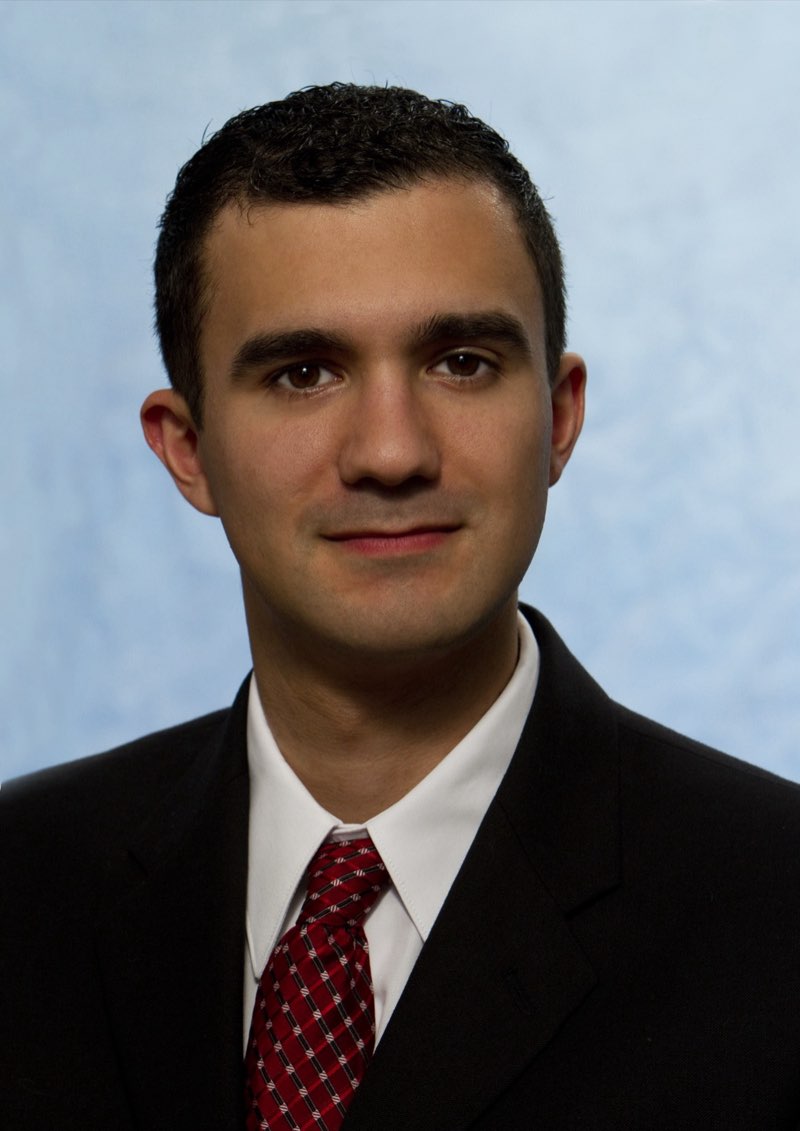
By Ryan S. Sultan, MD
Assistant Professor of Clinical Psychiatry, Columbia University Irving Medical Center
Board-Certified Psychiatrist | Treatment-Resistant Depression
Published:
|
Short answer: Four kinds of providers treat depression. Most people start with their primary care doctor, who can diagnose it and prescribe a first antidepressant. A psychiatrist is the right call when depression is severe, recurrent, or hasn't responded to medication. Psychologists and therapists do the talk therapy but can't prescribe in most states. For anything past a first mild episode, the combination of medication and therapy beats either one alone. |
This is one of the most common questions I get, and the honest answer is that it depends on how bad things are and what's already been tried. "A doctor" isn't one thing here. Let me walk through who does what, because picking the right starting point saves you months.
Your primary care doctor: the right place to start
Most depression in this country is treated by family doctors and internists, not psychiatrists. That's not a failure of the system. For a first episode of mild to moderate depression, your primary care doctor is a sensible first stop. They can screen you, rule out the medical things that masquerade as depression (an underactive thyroid, anemia, vitamin D, sleep apnea), and start you on a first-line antidepressant like an SSRI.
Where primary care runs out of room is the complicated case. A ten-minute visit isn't enough to sort out whether you have depression, bipolar disorder, ADHD, or all three. If your doctor has tried one or two antidepressants and you're still struggling, that's the signal to move up to a specialist. Don't sit in the same medication loop for a year.
Psychiatrist: the medication and diagnosis specialist
A psychiatrist is a medical doctor, an MD or DO, who went through medical school and then four more years training specifically in mental illness. We diagnose, we prescribe and fine-tune medication, and many of us do psychotherapy too. This is the specialist you want when depression is severe, when it keeps coming back, when two medications haven't worked, or when something underneath it isn't adding up.
The treatment-resistant cases are where the training earns its keep. When the first few standard antidepressants fail, the next moves are not obvious. They involve augmentation strategies, switching drug classes, and options like ketamine or TMS, and they call for someone who does this every day. That's most of my own clinical work, and it's the reason the referral exists.
Psychologist and licensed therapist: the talk therapy
A psychologist holds a doctoral degree, a PhD or PsyD, and specializes in psychotherapy and psychological testing. Licensed therapists, including LCSWs and licensed mental health counselors, also provide therapy and are often the most accessible and affordable option. Here's the key fact people get wrong: in most states, none of them can prescribe medication.
That doesn't make therapy second-tier. For mild to moderate depression, evidence-based therapy like cognitive behavioral therapy works about as well as medication, and the results tend to hold up better after you stop. For moderate to severe depression, the strongest approach is both at once: a prescriber managing the medication and a therapist doing the therapy, talking to each other.
Nurse practitioners and physician assistants
Psychiatric nurse practitioners (PMHNPs) and physician assistants can diagnose depression and prescribe medication, and they're an increasingly common point of access, especially where psychiatrists are scarce. For straightforward depression that's a real option. For a genuinely complicated picture, you still want a psychiatrist involved.
So who should you actually see?
| Your situation | Who to see | Why |
| First episode, mild to moderate | Primary care doctor | Can diagnose, rule out medical causes, and start a first antidepressant |
| Want therapy, not medication | Psychologist or licensed therapist | CBT and related therapies work well for mild to moderate depression |
| Severe, recurrent, or suicidal thoughts | Psychiatrist | Trained for complex, high-risk, and treatment-resistant cases |
| Two or more meds already failed | Psychiatrist | Augmentation, switching, ketamine, and TMS are specialist territory |
| Diagnosis is unclear (bipolar? ADHD?) | Psychiatrist | Treating the wrong condition makes depression worse |
| Moderate to severe | Psychiatrist + therapist together | Combined treatment outperforms either alone |
One thing I tell every patient
If you're having thoughts of harming yourself, don't work through this flowchart. Call or text 988, the Suicide and Crisis Lifeline, or go to an emergency room. The question of which specialist to book can wait until you're safe.
And if you've been on the same antidepressant for months with no real change, that isn't your fault and it isn't the end of the road. It usually means the plan needs a specialist's eye, not that nothing works. Most depression gets better with the right treatment. The trick is getting to the right level of care without losing a year in between.
|
Looking for a depression specialist in New York? I'm a board-certified psychiatrist at Columbia University, and a good part of my practice is complex and treatment-resistant depression. I evaluate adults whose depression hasn't responded to first-line treatment, sort out what's actually driving it, and build a plan that combines medication and therapy. |
Frequently Asked Questions
What type of doctor treats depression?
Primary care physicians, psychiatrists, psychologists, and licensed therapists all treat depression. Most people start with their primary care doctor, who can diagnose it and prescribe a first antidepressant. A psychiatrist is best for severe, recurrent, or treatment-resistant depression. Psychologists and therapists provide therapy but can't prescribe in most states.
Can a primary care doctor treat depression?
Yes, and most depression is first treated there. A primary care doctor can screen for depression, rule out medical causes, and prescribe a first-line antidepressant. It's a reasonable start for a first mild-to-moderate episode. If two medications don't work or symptoms are severe, ask for a psychiatry referral.
What's the difference between a psychiatrist and a psychologist for depression?
A psychiatrist is a medical doctor who can prescribe and manage medication. A psychologist has a doctoral degree, focuses on psychotherapy and testing, and can't prescribe in most states. For moderate to severe depression, the best results come from both working together.
When should I see a psychiatrist instead of my regular doctor?
See a psychiatrist when depression is severe, when two or more antidepressants haven't worked, when there are thoughts of suicide, when the diagnosis is unclear (possible bipolar disorder or ADHD), or when you're juggling several medications. Those are the cases primary care isn't built to handle.
Related Reading
- Depression Psychiatrist NYC — Evaluation for complex and treatment-resistant depression
- Depression: A Complete Guide — Symptoms, treatment options, and what recovery looks like
- Ketamine Therapy for Depression — What it is, who it's for, and the evidence
- Depression vs ADHD — Why the two get confused and why it matters for treatment