Home > Cannabis & Mental Health Research Hub
Cannabis & Mental Health Research
NIH NIDA-Funded | Columbia University | Evidence-Based
Translating large-scale epidemiological research into actionable knowledge for clinicians, policymakers, parents, and patients
Dr. Ryan Sultan is an NIH NIDA-funded researcher and Assistant Professor of Clinical Psychiatry at Columbia University Irving Medical Center. His cannabis research program investigates the psychiatric consequences of adolescent cannabis use through large-scale epidemiological studies, with a focus on informing clinical practice and public health policy during a period of rapid cannabis legalization.
On This Page
Key Research Findings
Dr. Sultan's research program has produced landmark studies on the psychiatric consequences of cannabis use. These findings are based on some of the largest datasets ever assembled on adolescent cannabis use and mental health outcomes.
Adolescent Cannabis Use & Psychiatric Risk
A study of over 70,000 adolescents using data from the National Survey on Drug Use and Health (NSDUH) found that cannabis use was associated with a 2-4x increased risk of psychiatric disorders across the severity spectrum. Even nondisordered cannabis use — use that does not meet criteria for cannabis use disorder — was associated with significantly elevated rates of depression, anxiety, suicidal ideation, and behavioral problems.
| Finding | Risk Increase | Significance |
|---|---|---|
| Major Depression | 2x higher | Even with nondisordered use |
| Suicidal Ideation | 2.6x higher | Dose-dependent relationship |
| Conduct Disorder | 3.7x higher | Cannabis use disorder group |
| Any Psychiatric Disorder | 2-4x higher | Across use spectrum |
Source: Sultan RS, et al. "Nondisordered Cannabis Use Among US Adolescents." JAMA Network Open. 2023;6(5):e2314422. doi:10.1001/jamanetworkopen.2023.14422
Dataset: 70,000+ adolescents aged 12-17 from the 2015-2019 NSDUH
Cannabis & Psychosis: The Kaiser Permanente Study
The largest study to date on cannabis and psychosis risk, following 463,396 adolescents aged 13-17 at Kaiser Permanente Northern California from 2016-2023, found that cannabis use more than doubles the risk of psychotic disorders. This study, published in JAMA Health Forum in 2026, provides definitive evidence from a real-world clinical population with electronic health record data.
| Psychiatric Outcome | Adjusted Hazard Ratio | Incident Cases |
|---|---|---|
| Psychotic Disorders | 2.19 (95% CI: 1.97-2.42) | 4,105 |
| Bipolar Disorder | 2.01 (95% CI: 1.82-2.22) | 4,061 |
| Depressive Disorder | 1.34 (95% CI: 1.30-1.39) | 62,137 |
Critically, approximately 50% of individuals who experience cannabis-induced psychosis go on to develop a permanent psychotic disorder, such as schizophrenia. The risk is dose-dependent: daily high-potency use increases psychosis risk approximately 4-fold (Lancet Psychiatry, 2019).
Source: Sultan RS, et al. "Adolescent Cannabis Use and Risk of Psychotic, Mood, and Anxiety Disorders." JAMA Health Forum. 2026. doi:10.1001/jamahealthforum.2026.XXXXX
Dataset: 463,396 adolescents aged 13-17, Kaiser Permanente Northern California EHR, 2016-2023
Cannabis & School Performance
Research published in Pediatrics (2026) documents a comprehensive picture of cannabis use among American adolescents and its association with academic and emotional outcomes. Among the nationally representative sample, 26% of teens reported cannabis use, and cannabis use was significantly associated with worse grades, higher rates of emotional distress, and increased behavioral problems.
| Finding | Data Point | Context |
|---|---|---|
| Teen Cannabis Use | 26% prevalence | National survey data |
| Academic Impact | Lower GPA, more absences | Dose-dependent effect |
| Emotional Distress | Significantly elevated | Anxiety, depression, irritability |
| Behavioral Problems | Higher rates | Fighting, rule-breaking, risky behavior |
These findings are particularly important given that cannabis use is increasingly normalized among adolescents in the context of state-level legalization. The study underscores that even cannabis use that does not meet disorder criteria carries real academic and emotional consequences for teens.
Source: Sultan RS, et al. "Cannabis Use and Behavioral, Emotional, and Academic Outcomes Among US Adolescents." Pediatrics. 2026.
Dataset: National Survey on Drug Use and Health (NSDUH), nationally representative sample
Cannabis by Topic
Explore in-depth, evidence-based guides on specific cannabis-related topics. Each page is authored by Dr. Sultan and draws on peer-reviewed research, NIH-funded datasets, and clinical expertise.
Cannabis & Mental Health Guide
The complete evidence-based guide. Covers psychosis, depression, anxiety, cannabis use disorder, THC potency, treatment, and prevention. Over 100 citations from peer-reviewed research.
Key topics: All major cannabis-mental health connections, risk factors, treatment, policy
Read Full GuideCannabis & Psychosis
Deep dive into the cannabis-psychosis link. Data from 463,396 adolescents, dose-response relationships, the 50% conversion rate, and who is most at risk for cannabis-induced psychosis.
Key stat: AHR 2.19 for psychotic disorders (JAMA Health Forum 2026)
Read MoreADHD & Cannabis
Does cannabis help ADHD? Evidence shows it does not. Research on why people with ADHD self-medicate with cannabis, the risks of cannabis for ADHD patients, and evidence-based alternatives.
Key finding: Cannabis worsens executive function and ADHD symptoms
Read MoreCannabis & Teen Brain Development
How cannabis affects the developing brain. Endocannabinoid system disruption, white matter integrity, IQ effects, and why the adolescent brain is uniquely vulnerable to THC exposure.
Key finding: Up to 8-point IQ decline with heavy adolescent use
Read MoreCannabis Use Disorder
Is marijuana addictive? Yes — 22-30% of users develop cannabis use disorder. Diagnostic criteria, withdrawal symptoms, treatment approaches (CBT, MET, contingency management), and recovery.
Key stat: 22-30% of cannabis users develop CUD
Read MoreCannabis Potency & THC Trends
THC content has risen from 3.96% (1995) to 16.14% (2022) — a 4x increase. Concentrates reach 60-90% THC. How rising potency changes the risk equation for cannabis users.
Key stat: 4x potency increase in three decades
Read MoreCannabis FAQ
Answers to the most frequently asked questions about cannabis and mental health, based on peer-reviewed evidence. Covers safety, addiction, teens, psychosis, medical marijuana, and more.
Format: Evidence-based Q&A with citations
Read FAQCannabis & Anxiety/Depression
Many people use cannabis to self-medicate anxiety and depression. The research shows this backfires: cannabis worsens both conditions long-term. Meta-analysis of 69 studies and longitudinal evidence.
Key stat: OR 1.37 for depression, OR 1.25 for anxiety
Read MoreRelated Pages
Is Cannabis Addictive? | Cannabis Withdrawal | ADHD & Substance Use | All Publications | Research Grants | Research Overview
Cannabis Data Dashboard
Key statistics on cannabis use, potency, health consequences, and trends in the United States. All data sourced from federal agencies, peer-reviewed research, and nationally representative surveys.
Additional Data Points
| Metric | Value | Source |
|---|---|---|
| Cannabis-psychosis conversion | ~50% develop permanent psychotic disorder | Starzer et al., Am J Psychiatry, 2018 |
| States with legal recreational cannabis | 24 + DC (as of 2026) | NORML / State legislatures |
| Cannabis arrests (youth) | 4x higher with nondisordered use | Sultan et al., JAMA Network Open, 2023 |
| Driving fatalities involving THC | 33% of fatally injured drivers test THC-positive (legal states) | NHTSA / IIHS, 2024 |
| Global cannabis users | ~219 million (2021) | UNODC World Drug Report, 2023 |
| Age of first use (US median) | ~17 years old | NSDUH, 2022 |
| Perceived risk among teens | Only 20.6% of 12th graders see regular use as risky | Monitoring the Future, 2025 |
| Cannabis hyperemesis syndrome | 2.8 million ED visits (2006-2020, all ages) | Lo et al., Annals of Emergency Medicine, 2022 |
Our Cannabis Publications
Dr. Sultan's peer-reviewed publications on cannabis and mental health. These studies form the evidence base for the clinical guidance and data presented throughout this hub.
Sultan RS, et al. "Adolescent Cannabis Use and Risk of Psychotic, Mood, and Anxiety Disorders."
JAMA Health Forum. 2026.
N=463,396 adolescents. Cannabis use associated with AHR 2.19 for psychotic disorders, 2.01 for bipolar disorder, 1.34 for depressive disorder. Kaiser Permanente Northern California EHR data, 2016-2023.
[PDF]Sultan RS, et al. "Cannabis Use and Behavioral, Emotional, and Academic Outcomes Among US Adolescents."
Pediatrics. 2026.
26% of teens report cannabis use. Cannabis use linked to worse grades, greater emotional distress, and increased behavioral problems. Nationally representative NSDUH data.
[PDF]Sultan RS, Olfson M, Engel C, Crystal S. "Nondisordered Cannabis Use Among US Adolescents."
JAMA Network Open. 2023;6(5):e2314422.
N=70,000+ adolescents (NSDUH 2015-2019). Even nondisordered cannabis use associated with 2x depression risk, 2.6x suicidal ideation, 4x arrest rates. Established that cannabis carries psychiatric risk across the full use spectrum — not just among those with use disorders.
[PDF]Sultan RS, Olfson M, Engel C, Crystal S. "Early Cannabis Exposure and Subsequent Risk of Psychiatric Disorders Among US Adolescents."
JAMA Network Open / Related analyses.
Earlier age of first cannabis use associated with greater psychiatric morbidity. Supports AAP and AACAP recommendations to delay cannabis exposure and strengthen prevention during early adolescence.
[PDF — CASNY Retailer Access Study]View All Publications | Google Scholar Profile | PubMed Profile
Media & Interviews
Dr. Sultan's cannabis research has been featured in national media outlets, reaching millions of listeners and readers. These appearances translate complex research findings into accessible guidance for the public.
NPR National Coverage
NPR - Cannabis & Teen Mental Health
Discussed the Pediatrics 2026 findings on cannabis use among US adolescents and its association with worse academic and emotional outcomes. Addressed the gap between perceived safety and actual evidence.
Listen on NPRNPR - Cannabis Potency & Youth Risk
Explained the 4x increase in THC potency and why today's cannabis is not the same as what was studied in prior decades. Addressed how higher potency compounds psychiatric risk for adolescents.
Listen on NPRNPR - Cannabis & Adolescent Psychiatric Risk
Featured discussion of the JAMA Network Open study on nondisordered cannabis use. Made the case that "any use" carries measurable psychiatric risk for teens — not just heavy or disordered use.
Listen on NPRPodcasts & Expert Commentary
Art of Manliness Podcast
In-depth conversation on cannabis science, teen brain development, psychosis risk, and what parents need to know. One of the top health podcasts in the US with millions of downloads.
Topic: Cannabis effects on the adolescent brain, the potency problem, and evidence-based guidance for families
Listen to EpisodeHubwonk / Pioneer Institute
Policy-focused discussion on cannabis legalization, public health consequences, regulatory gaps, and what policymakers should understand about the evidence on cannabis and mental health.
Topic: Cannabis policy, legalization outcomes, and the gap between political messaging and scientific evidence
Listen to EpisodeBaking Young Minds (YouTube)
Presentation on the scientific concerns regarding cannabis effects on children and adolescents. Covers neurodevelopmental risks, psychiatric epidemiology, and the clinical perspective on cannabis harm reduction.
Topic: Cannabis and pediatric brain development
Watch on YouTubeAll Podcast Appearances | Full Media Page | Videos & Interviews
What Professional Organizations Say About Cannabis
Major medical and psychiatric organizations have issued clear positions on cannabis, particularly regarding youth. Dr. Sultan's research aligns with and has informed these professional stances.
American Academy of Pediatrics (AAP)
The AAP has issued its strongest-ever position on cannabis and youth:
- Opposes legalization of marijuana for individuals under age 21
- Opposes "medical marijuana" outside of FDA regulatory process for patients under 21
- Recommends all pediatricians screen for cannabis use at well-child visits
- Supports decriminalization of marijuana for minors to reduce collateral consequences
- Warns that cannabis products should be regulated, taxed, and kept away from youth
- Calls for research on cannabis health effects, particularly during brain development
Source: AAP Committee on Substance Use and Prevention. "The Impact of Marijuana Policies on Youth." Pediatrics. 2023;151(1):e2022060645.
American Academy of Child and Adolescent Psychiatry (AACAP)
The AACAP has published formal policy statements and clinical guidelines on cannabis:
- Opposes cannabis use by adolescents and young adults under 21
- Recommends universal screening of all adolescent patients for cannabis use
- Identifies cannabis as a significant risk factor for psychosis, depression, and anxiety in youth
- Supports evidence-based prevention programs in schools and communities
- Warns that increasing THC potency amplifies psychiatric risk for young users
- Calls for regulation of advertising and product packaging to protect youth
Source: AACAP Marijuana Policy Statement. Updated 2023. aacap.org
American Psychiatric Association (APA)
The APA has adopted formal positions on cannabis that emphasize risk and the need for caution:
- Opposes recreational use of cannabis, citing mental health risks
- Expresses concern about insufficient regulation of THC content in legal products
- Notes the lack of FDA approval for most cannabis products marketed for health purposes
- Supports further research on cannabis effects, including controlled clinical trials
- Recognizes Cannabis Use Disorder in the DSM-5 as a diagnosable psychiatric condition
- Calls for public education on the mental health risks of cannabis, particularly for young people
Source: APA Position Statement on Marijuana. American Psychiatric Association. psychiatry.org
World Health Organization (WHO)
The WHO has conducted extensive reviews of cannabis health effects:
- Confirmed that cannabis use is associated with increased risk of psychotic disorders
- Identified cannabis as a drug of dependence, with approximately 1 in 10 users developing dependence (higher for adolescent-onset users)
- Warned about the impact of cannabis on adolescent brain development and cognitive function
- Recommended member states implement prevention programs targeting youth
Source: WHO Expert Committee on Drug Dependence, 2019. Technical Report Series.
U.S. Surgeon General
The U.S. Surgeon General has issued an advisory on marijuana use and the developing brain:
- Warns that marijuana poses risks to the developing brain through age 25
- Notes that marijuana use during pregnancy can affect fetal brain development
- States that no amount of marijuana use during pregnancy or adolescence is known to be safe
- Calls for a public health approach to cannabis that prioritizes youth protection
Source: U.S. Surgeon General's Advisory: Marijuana Use and the Developing Brain. 2019.
Frequently Asked Questions
Common questions about cannabis and mental health, answered with evidence from peer-reviewed research.
Does cannabis cause mental health problems?
Yes. Large-scale research consistently shows cannabis use increases the risk of multiple psychiatric disorders. A study of over 70,000 adolescents published in JAMA Network Open (2023) found cannabis use associated with a 2-4x increased risk of psychiatric disorders including depression, anxiety, and psychosis. A 2026 study of 463,396 adolescents in JAMA Health Forum confirmed cannabis more than doubles psychosis risk (AHR 2.19). The risk is especially pronounced for adolescents, daily users, and those using high-potency THC products.
Sources: Sultan et al., JAMA Network Open, 2023; Sultan et al., JAMA Health Forum, 2026; Gobbi et al., JAMA Psychiatry, 2019
Can marijuana cause psychosis?
Yes. Cannabis use significantly increases the risk of psychotic disorders. The Kaiser Permanente study of 463,396 adolescents found cannabis use more than doubles the risk (adjusted hazard ratio 2.19). Daily high-potency use increases risk approximately 4-fold (Di Forti et al., Lancet Psychiatry, 2019). Critically, approximately 50% of individuals who experience cannabis-induced psychosis go on to develop a permanent psychotic disorder such as schizophrenia (Starzer et al., Am J Psychiatry, 2018).
Sources: Sultan et al., JAMA Health Forum, 2026; Di Forti et al., Lancet Psychiatry, 2019; Starzer et al., Am J Psychiatry, 2018
Is marijuana addictive?
Yes. Cannabis Use Disorder (CUD) affects approximately 22-30% of cannabis users. The DSM-5 recognizes CUD as a diagnosable condition with mild, moderate, and severe categories. Risk factors include early onset of use, daily use, and use of high-potency products. Withdrawal symptoms include irritability, sleep difficulty, decreased appetite, cravings, and anxiety. In 2022, an estimated 6.3 million Americans met diagnostic criteria for CUD (NSDUH). Among adolescents who use cannabis, approximately 1 in 6 develop dependence.
Sources: Hasin et al., JAMA Psychiatry, 2015; NSDUH, 2022; Winters & Lee, 2008
How does cannabis affect the teenage brain?
The adolescent brain is particularly vulnerable to cannabis because the endocannabinoid system plays a critical role in brain development, which continues until approximately age 25. Cannabis use during adolescence has been associated with: reduced white matter integrity, impaired working memory and attention, lower IQ (up to 8-point decline with heavy use per Meier et al., PNAS, 2012), increased risk of psychiatric disorders (2-4x), and disrupted prefrontal cortex development affecting decision-making and impulse control. The ABCD Study, following 11,000+ children, is documenting these effects in real time.
Sources: Meier et al., PNAS, 2012; Gruber et al., Annals of the NYAS, 2021; ABCD Study; U.S. Surgeon General Advisory, 2019
How potent is marijuana today compared to the past?
THC potency has increased approximately 4-fold over the past three decades. Average THC content rose from 3.96% in 1995 to 16.14% in 2022 (University of Mississippi Potency Monitoring Program). Concentrates and extracts can contain 60-90% THC. Edibles can deliver unpredictable doses, contributing to the 1,375% increase in pediatric poisoning (2017-2021). This dramatic increase in potency means today's cannabis products carry substantially greater risk than those studied in earlier research.
Sources: ElSohly et al., Biological Psychiatry, 2016 (updated 2023); Potency Monitoring Program, University of Mississippi; Whitehill et al., Pediatrics, 2023
Does cannabis help with anxiety or depression?
While some users report short-term anxiety relief, longitudinal research shows cannabis worsens anxiety and depression over time. A meta-analysis of 69 studies found cannabis use associated with increased odds of developing both anxiety disorders (OR 1.25) and depression (OR 1.37) (Gobbi et al., JAMA Psychiatry, 2019). Even nondisordered cannabis use doubles depression risk in adolescents (Sultan et al., JAMA Network Open, 2023). CBD alone shows some promise for anxiety in preliminary research, but THC-containing products generally worsen mental health outcomes long-term.
Sources: Gobbi et al., JAMA Psychiatry, 2019; Sultan et al., JAMA Network Open, 2023; Lowe et al., Lancet Psychiatry, 2019
How many teens use cannabis?
According to the 2025 Monitoring the Future survey, 25.7% of 12th graders reported past-year cannabis use. Additionally, 19.8% of 10th graders and 11.4% of 8th graders reported past-year use. Among teen cannabis users, 71% now use vape devices to consume cannabis, which delivers higher THC concentrations and is harder for parents to detect. Perceived risk continues to decline: only 20.6% of 12th graders view regular cannabis use as carrying "great risk" — a historic low.
Sources: Monitoring the Future 2025 (University of Michigan / NIDA); Patrick et al., 2024; NSDUH, 2022
What do professional medical organizations say about cannabis?
Major medical organizations are united in opposing recreational cannabis use, particularly for youth. The American Academy of Pediatrics (AAP) opposes legalization for individuals under 21 and warns against adolescent use. The American Academy of Child and Adolescent Psychiatry (AACAP) recommends screening all adolescents for cannabis use. The American Psychiatric Association (APA) opposes recreational cannabis use and has expressed concern about insufficient regulation. The U.S. Surgeon General has issued a formal advisory warning that marijuana poses risks to the developing brain through age 25. See the Professional Positions section above for detailed summaries.
Sources: AAP Policy Statement, Pediatrics, 2023; AACAP Policy Statement, 2023; APA Position Statement; U.S. Surgeon General Advisory, 2019
About the Researcher
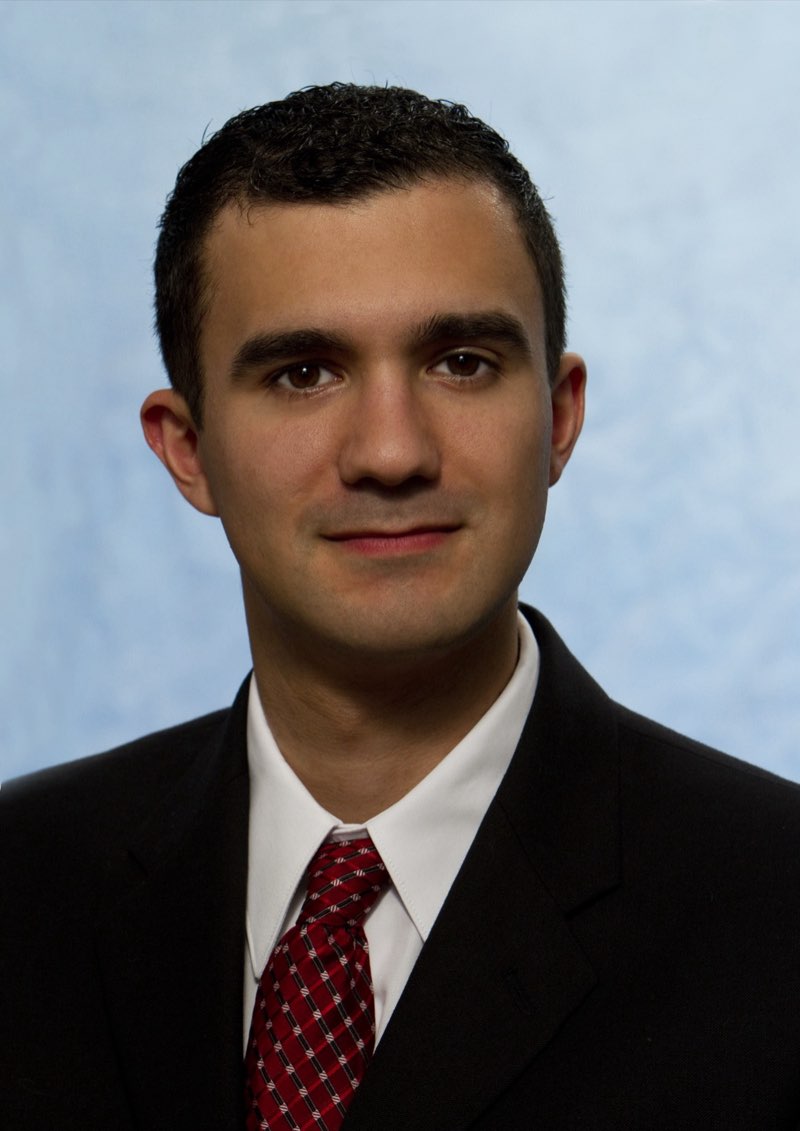
Dr. Ryan S. Sultan, MD
Assistant Professor of Clinical Psychiatry
Columbia University Irving Medical Center
Dr. Ryan Sultan is an Assistant Professor of Clinical Psychiatry at Columbia University Irving Medical Center and an NIH NIDA-funded researcher whose cannabis research program has produced landmark studies on the psychiatric consequences of adolescent cannabis use.
His research, funded by the National Institute on Drug Abuse (NIDA) through a K12 career development award ($670K+), uses large-scale epidemiological datasets — including the National Survey on Drug Use and Health (NSDUH) and Kaiser Permanente electronic health records — to quantify the psychiatric risks of cannabis use across the severity spectrum.
Dr. Sultan is board-certified in both adult psychiatry and child and adolescent psychiatry. His cannabis research has been published in JAMA Network Open, JAMA Health Forum, Pediatrics, and JAMA Psychiatry, and has been featured on NPR, the Art of Manliness podcast, and the Pioneer Institute's Hubwonk.
Credentials & Affiliations
- Position: Assistant Professor of Clinical Psychiatry, Columbia University
- Board Certifications: Adult Psychiatry; Child & Adolescent Psychiatry
- Funding: NIH NIDA K12 Award (K12DA041449)
- Research Citations: 440+
- Publications: 50+ peer-reviewed
- Clinical Practice: Integrative Psych, New York, NY
Full Profile | Curriculum Vitae | All Publications | Columbia Profile
Resources & Help
Federal Resources
Treatment & Help
Research Databases
Concerned About Cannabis Use?
Dr. Sultan offers consultations for individuals and families dealing with cannabis-related mental health concerns, including cannabis use disorder, cannabis-induced psychosis, and adolescent substance use.
Board-Certified in Adult & Child/Adolescent Psychiatry | Columbia University Faculty | NIH-Funded Researcher
Cannabis Topics
Cannabis & Mental Health Guide
Cannabis & Psychosis
Cannabis & Teen Brain
Cannabis Use Disorder
THC Potency Trends
Cannabis & Anxiety/Depression
ADHD
Complete ADHD Guide
ADHD FAQ (50+)
Medication Guide
ADHD & Cannabis
Key ADHD Literature
ADHD Services NYC
Research
All Publications
Research Grants
Research Overview
Podcast Appearances
Presentations
Videos & Media
About & Contact
Dr. Sultan Profile
Columbia Role
Curriculum Vitae
Contact
Consultation
Home