Home > ADHD > ADHD Psychiatrist NYC
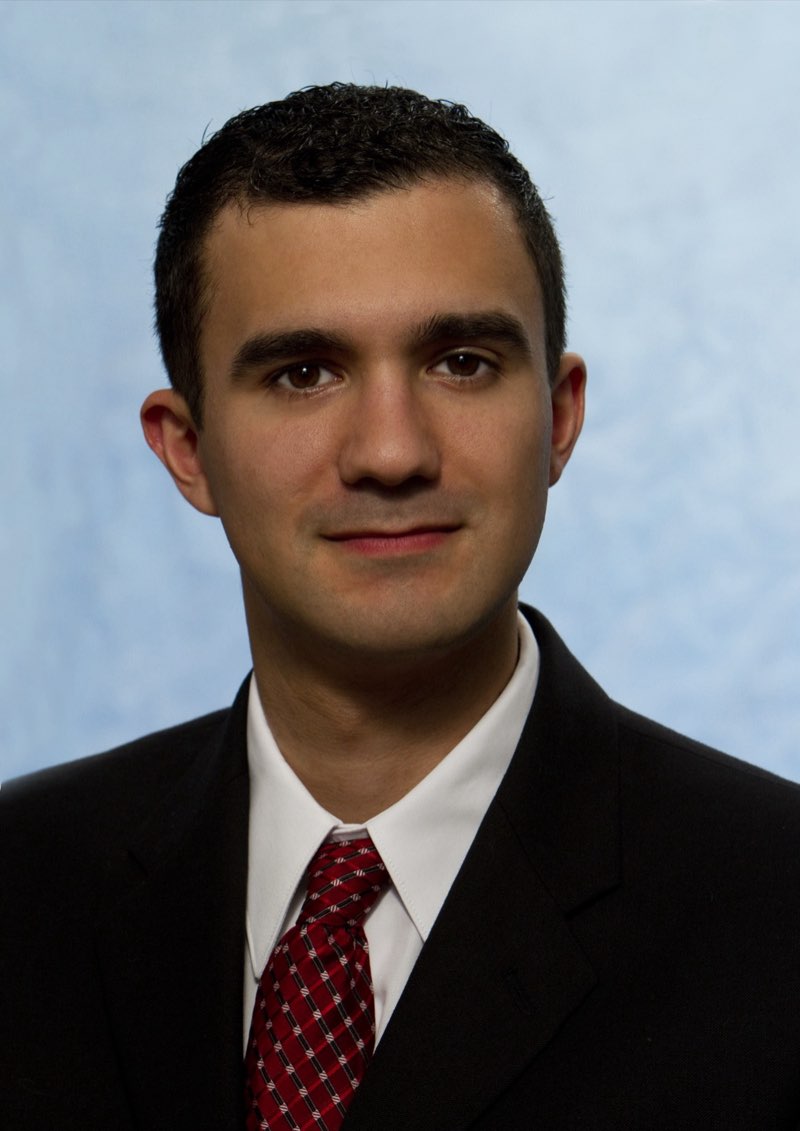
By Ryan S. Sultan, MD
Assistant Professor of Clinical Psychiatry, Columbia University Irving Medical Center
Double Board-Certified in Adult Psychiatry & Child/Adolescent Psychiatry
Published:
ADHD care in Chelsea, ManhattanI'm Dr. Ryan Sultan, a double board-certified adult and child psychiatrist and Assistant Professor of Clinical Psychiatry at Columbia. I evaluate and treat ADHD in adults, adolescents, and children, including late diagnosis, complex symptoms, and cases where prior treatment has failed. Initial evaluations run 60 to 90 minutes. I see patients at Integrative Psych, 80 Eighth Avenue in Chelsea. The practice is out-of-network, with superbills provided for patients seeking reimbursement. Request an ADHD evaluation · Evaluation costs · Insurance and scheduling |
Who I see
Adults who suspect ADHD, including late diagnosis in people who were never identified as children, and women, who are diagnosed later and less often for reasons that are well documented and still not fully corrected.
Children and adolescents. I'm board-certified in child and adolescent psychiatry, a subspecialty most psychiatrists treating pediatric ADHD haven't completed.
People whose current treatment isn't working: inadequate response, intolerable side effects, or a regimen that accumulated without anyone reconsidering it. See second opinions.
Complex comorbidity: ADHD with anxiety, depression, autism, OCD, or substance use. A majority of adults with ADHD meet criteria for at least one additional condition, and comorbidity is where most treatment failures originate.
For care focused on anxiety, depression, OCD, or bipolar disorder, see my general psychiatry practice in NYC.
What a proper evaluation involves
The initial evaluation runs 60 to 90 minutes and covers five things a rating scale can't:
- Developmental history, including evidence of symptoms before age 12, a DSM-5-TR requirement that telehealth ADHD platforms routinely skip
- Functioning across at least two settings
- Collateral information where available
- Systematic screening for conditions that mimic ADHD: sleep disorders, thyroid dysfunction, anxiety, depression, trauma, substance use, and autism
- Standardized instruments as input, with the diagnosis resting on history and interview
That work fits in 60–90 minutes and refuses to fit in twenty. I direct the Sultan Lab for Mental Health Informatics at Columbia and have argued publicly against unregulated digital psychiatry platforms compressing it further. The full walkthrough is on the adult ADHD evaluation page.
Who this practice fits, and when to look elsewhere
This practice fits adults, adolescents, and children with ADHD or suspected ADHD, and it's built for the harder versions: late diagnosis, layered comorbidity, and treatment that stalled. The trade is time for volume; evaluations run 60 to 90 minutes and follow-ups are unhurried.
Other settings serve some situations better. If cost is the deciding factor, an in-network psychiatrist may be the right call, and the fees page says so plainly. If the question is a suspected learning disability or documented academic accommodations, neuropsychological testing is the correct instrument. And any acute safety concern, active suicidal intent or psychosis, belongs in the nearest emergency department or with 988 by call or text; outpatient care follows stabilization.
Cost and scheduling
The practice is out-of-network with all insurers. You pay directly and receive a superbill after each visit to submit for out-of-network reimbursement; what your plan pays back depends on its out-of-network benefit, which is worth checking before the first appointment. Current fees are on the ADHD evaluation cost and out-of-network cost pages.
The initial evaluation runs 60 to 90 minutes. Schedule an ADHD evaluation.
Treatment
Medication when indicated: stimulant and non-stimulant, with attention to titration rather than a starting dose and a six-month gap. In the 2018 Lancet Psychiatry network meta-analysis, amphetamines carried the largest short-term effect size in adults (SMD 0.79 against placebo, clinician-rated), and the authors named methylphenidate first choice for children on combined efficacy and tolerability. Matching the drug to the patient is most of the craft. See medication management.
Psychotherapy when indicated. I provide CBT and DBT-informed work directly, which matters for the emotional dysregulation that medication doesn't fully address.
And an honest account of what the evidence supports beyond medication: exercise has real data, most supplements don't, and commercial SPECT scans have no diagnostic standing. See lifestyle adjuncts.
I'm an ADHD psychiatrist who also researches ADHD. An estimated 4.4% of US adults meet criteria for the condition, based on the National Comorbidity Survey Replication (2006 data), and most of them will be treated by clinicians who read summaries of the evidence rather than the evidence itself. Doing both jobs changes what happens in the room.
What that actually means for your care
When a treatment decision comes up, whether a new medication is worth trying, whether a side effect is signal or noise, or whether the claim behind a headline is real, I'm generally reading the primary trial data. That evidence base rewards close reading: the largest network meta-analysis of ADHD medications (Lancet Psychiatry, 2018) drew on 133 randomized trials covering more than 24,000 patients, and the differences it found between drugs and age groups have direct prescribing consequences.
A recent example. Centanafadine (Simtriyo) was approved in July 2026 and reported nearly everywhere as a new non-stimulant. The prescribing information classifies it as a central nervous system stimulant, it carries two boxed warnings, and its effect sizes cluster at Cohen's d 0.24–0.40, well below amphetamines. I read all seven trial publications and the label. That analysis is here.
That's the working method, and it runs through every prescription I write.
My research
Antipsychotic Treatment Among Youths With ADHD (JAMA Network Open, 2019, with Wang, Crystal, and Olfson). In a cohort of 187,563 commercially insured youths with a new ADHD diagnosis, 2.6% were prescribed an antipsychotic within a year. Of those, 47.9% never received a stimulant first, despite stimulants being the evidence-supported first-line treatment, and only 52.7% had any FDA-approved or evidence-supported diagnosis justifying it. Prescribing was proportionally highest in preschoolers aged 3–5 (4.3%).
Protective Effects of ADHD Medication on Real-World Outcomes (invited JAMA Psychiatry editorial, 2025, with Saunders and Veenstra-VanderWeele). My review of the accumulated international evidence: across large registry studies, medicated periods are associated with reduced criminal convictions (32–41%), substance-related emergency events (31–35%), and motor vehicle crashes (38–42%). Those figures come from the Swedish and US cohort studies I was asked to appraise rather than from my own dataset. Analysis
Adolescents With ADHD: Adverse Behaviors and Comorbidity (Journal of Adolescent Health, 2021, with Liu, Hacker, and Olfson). Suicide attempts aOR 2.9. School suspension aOR 4.1, expulsion aOR 3.3. Cannabis aOR 2.2, cocaine aOR 2.6. Analysis
My research has received support through the NIDA institutional career development program (K12) studying substance use and mental health in young people, and direct the Sultan Lab for Mental Health Informatics at Columbia.
A composite case
The following is a composite, assembled from many patients rather than any one. A 29-year-old software engineer, diagnosed at 24 on a telehealth platform, arrives on his third stimulant. Each one "stopped working" within months, and each stop was answered with a dose increase or a switch. The re-evaluation finds two things the original 20-minute visit never asked about: loud snoring with daytime sleepiness, later confirmed as obstructive sleep apnea, and nightly cannabis use. Both blunt attention and both blunt stimulant response. With the apnea treated and the cannabis tapered, his original medication works at its original dose. When ADHD treatment fails, the diagnosis and the comorbidity list deserve a second look before the fourth medication.
Free resources
70+ pages of evidence-based ADHD reference, no login required: Complete ADHD Guide · ADHD FAQ · Self-assessment · Medication guide · ADHD Encyclopedia
Request an appointment with Dr. Sultan
To request an appointment with Dr. Sultan, use the Integrative Psych consultation form and include his name in your message, or ask for him when calling. A patient care coordinator will discuss availability, fees, and whether the practice fits your needs before an appointment is scheduled.
The practice is out-of-network. Confirm the fee for your evaluation and follow-up care with the coordinator. Superbills are available for patients seeking reimbursement; payment from your insurer depends on your plan.
Continue to the practice consultation form · Appointment contact details
Frequently Asked Questions
How do I find a good ADHD psychiatrist in NYC?
Ask three questions: Do they take a developmental history establishing symptoms before age 12? Do they screen for the conditions that mimic ADHD, including sleep disorders, anxiety, trauma, substance use, and autism? And is the initial evaluation at least 60 minutes? A practice that answers no to any of these is confirming a self-diagnosis rather than evaluating ADHD.
Can adults be diagnosed with ADHD for the first time?
Yes. Late diagnosis is common, particularly in women and in people whose intelligence or structure masked symptoms until adult demands exceeded their compensation. DSM-5-TR requires evidence that symptoms were present before age 12, which is established through developmental history rather than childhood records.
How long does an ADHD evaluation take?
A proper psychiatric ADHD evaluation runs 60 to 90 minutes, sometimes across two visits. Twenty-minute evaluations are common on telehealth platforms and are not adequate for a diagnosis that requires developmental history and differential screening.
Do I need neuropsychological testing for ADHD?
Usually not. ADHD is a clinical diagnosis. Neuropsychological testing costs substantially more and is indicated for specific questions such as suspected learning disability, cognitive changes, or a complex differential rather than for routine diagnosis. See the comparison.
What if I've already been diagnosed and treatment isn't working?
That's a substantial part of my practice. The most common causes are an incomplete initial evaluation, an untreated comorbid condition, inadequate titration, or a diagnosis that was never right.
Do you see children and adolescents for ADHD?
Yes. I'm double board-certified in Adult Psychiatry and Child & Adolescent Psychiatry, with fellowship training at Columbia and Weill Cornell at NewYork-Presbyterian.
Do you accept insurance for ADHD treatment?
The practice is out-of-network with all insurers. You pay directly, receive a superbill after each visit, and submit it to your plan for out-of-network reimbursement. Many PPO plans reimburse part of the cost once the out-of-network deductible is met; check your out-of-network benefits before the first visit.
What does an ADHD evaluation cost in NYC?
The initial evaluation runs 60 to 90 minutes and is billed out-of-network. See ADHD evaluation cost in NYC and what out-of-network psychiatric care costs for current figures and reimbursement mechanics.
Reviewed by Ryan S. Sultan, MD
Assistant Professor of Clinical Psychiatry, Columbia University Irving Medical Center
Board Certified — Adult Psychiatry (2015) and Child & Adolescent Psychiatry (2016), ABPN
NPI 1972893642
Psychotherapy training
Psychoanalytic psychotherapy — Emory University Psychoanalytic Institute; Columbia University Center for Psychoanalytic Training and Research
Cognitive Behavioral Therapy — trained at Weill Cornell Medicine during child psychiatry fellowship (Avital Falk, PhD; Angela Chiu, PhD); contributed to MATCH-ADTC workbook materials for youth
Dialectical Behavior Therapy — DBT skills within individual psychotherapy
EMDR · Exposure and Response Prevention
Certified Mind-Body Medicine Physician — Benson-Henry Institute for Mind Body Medicine, Massachusetts General Hospital (Harvard Medical School teaching affiliate)
Licensure
New York — License #275559
Virginia — License #0101269261
Montana — License #MED-PHYS-LIC-156069 (active, exp. 03/31/2027)
Florida — Registered Out-of-State Telehealth Provider #TPME5432 (telehealth only)
Verify every credential → ryansultan.com/credentials
Columbia · NewYork-Presbyterian · Google Scholar · PubMed · ORCID 0000-0003-2061-247X
Practice: Integrative Psych, 80 Eighth Avenue, Chelsea, Manhattan, NY 10011
Last updated:
Educational information only. Not medical advice. Reading this page does not establish a physician–patient relationship.