Integrative Psychiatry NYC
Evidence-Based Mental Health Treatment
Dr. Ryan Sultan, MD | Integrative Psych
|
Integrative psychiatry combines standard psychiatric treatment — medication and psychotherapy — with structured lifestyle interventions: sleep, exercise, nutrition, and mindfulness. Dr. Ryan Sultan, MD practices it at Integrative Psych in Chelsea, Manhattan. Double board-certified, Columbia University faculty. Initial evaluations run 60–90 minutes; telehealth available in NY, VA, and MT. |
|
🎥 Watch: Add holistic treatments on — don't swap your meds for them |
|
What Integrative Psychiatry Is Integrative psychiatry is standard psychiatric care — medication management and psychotherapy — with structured lifestyle treatment added on top: sleep, exercise, nutrition, and mindfulness, each used where the evidence supports it. The medication stays. The additions are chosen for the specific patient, and they're prescribed with the same seriousness as the prescriptions. For the full definition and the evidence behind each component, see What Is Integrative Psychiatry? Dr. Ryan Sultan practices integrative psychiatry at Integrative Psych in Chelsea. While the term gets used loosely across wellness marketing, in this practice it means something specific, described below. |
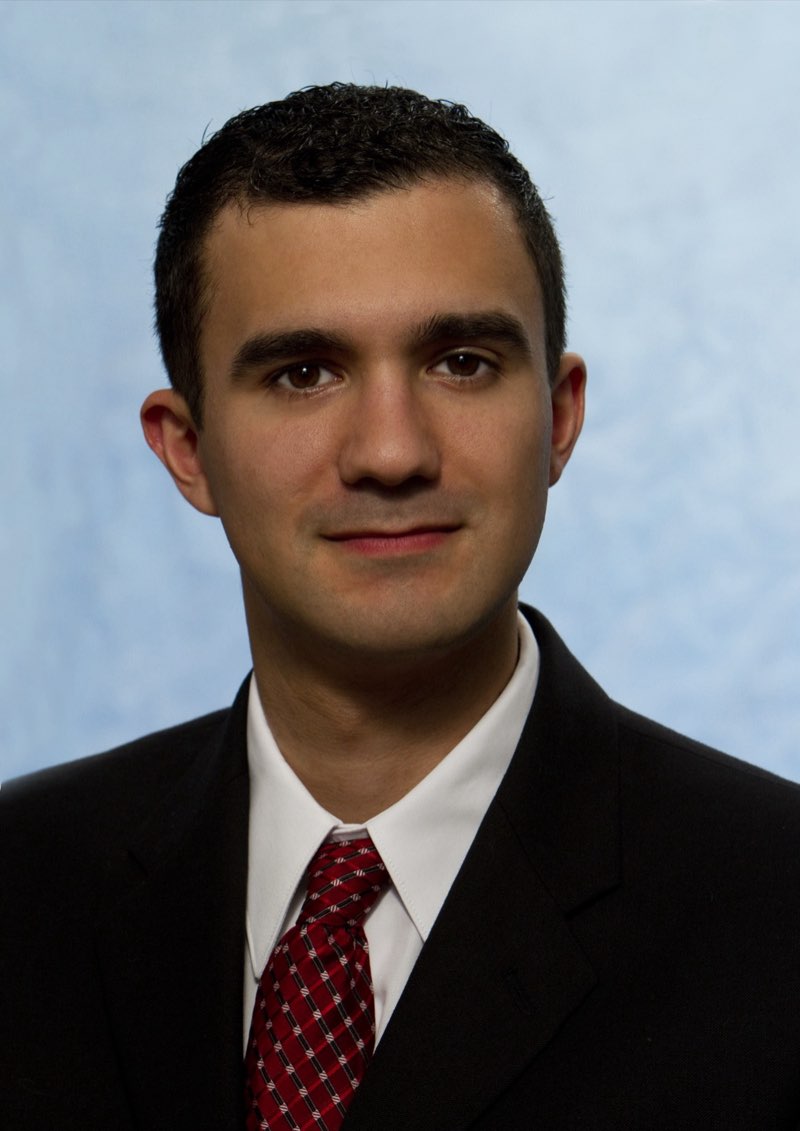
Dr. Ryan Sultan at Integrative Psych
Dr. Ryan Sultan, MD (Dr Sultan) is a double board-certified psychiatrist (Adult & Child/Adolescent) practicing integrative psychiatry in New York City. He is on faculty at Columbia University Irving Medical Center and sees patients at Integrative Psych in Chelsea, Manhattan.
The Five Components of the Approach
Dr Sultan's treatment plans draw on five components, weighted differently for each patient:
🎤 Watch: Dr. Sultan explains what "holistic" actually means in mental health — and why it means adding to standard care rather than replacing it — in Holistic Treatment for Anxiety and Depression. Full interview and transcript.
1. Psychopharmacology first, where medication works
- Medication management for ADHD, depression, anxiety, and bipolar disorder
- Prescribing informed by the clinical trial literature and by Dr Sultan's own pharmacoepidemiology research
- Dose and agent selection aimed at the fewest side effects that still deliver the benefit
2. Psychotherapy Integration
- Cognitive-behavioral therapy (CBT) techniques
- Mindfulness-based approaches
- ADHD-specific behavioral strategies
3. Lifestyle Optimization
- Sleep hygiene and circadian rhythm optimization
- Exercise prescription for mental health
- Nutrition guidance for brain health
- Stress management and relaxation techniques
4. Mind-Body Medicine
- Certified Mind-Body Medicine Physician, Benson-Henry Institute at Massachusetts General Hospital
- Meditation and mindfulness training
- Breathwork and stress reduction
5. Whole-Picture Assessment
- Biological, psychological, and social factors weighed in the diagnosis
- Symptoms treated alongside the sleep, work, and relationship patterns that maintain them
- A written, individualized treatment plan after the initial evaluation
Integrative Psychiatry for ADHD
ADHD is where the integrative model earns its keep, and it's the center of Dr Sultan's clinical and research work; his ADHD studies have appeared in JAMA Network Open and elsewhere. Stimulant medication carries the largest effect sizes in psychiatry (0.8–1.0 in adults), and treatment built around it works better than treatment that stops there:
- Medication: Stimulants and non-stimulants, titrated against function rather than dose milestones
- Therapy: CBT adapted for ADHD, organizational skills training
- Exercise: Aerobic exercise, which has randomized-trial support for modest ADHD symptom reduction
- Sleep: ADHD-related insomnia treated directly, since sleep loss mimics and worsens attention symptoms
- Nutrition: Protein-anchored breakfast timed with stimulant dosing; omega-3s, where evidence supports a small effect
- Mindfulness: Attention training and emotional regulation
- Environment: Workspace structure and distraction reduction
Complete ADHD Guide → | ADHD Services NYC →
How This Plays Out: A Patient Example
A composite from practice, details changed; the treatment logic is the real part.
A marketing executive in her forties came in on her second antidepressant with a partial response: better than untreated, still flat by mid-afternoon, sleeping five and a half hours. The standard next move is adding a second medication. We held that option and spent six weeks on the cheaper experiments first: a fixed wake time, aerobic exercise three mornings a week, and weekly CBT targeting the work rumination that was keeping her up. At the twelve-week mark she rated the residual symptoms largely resolved, on the same single medication at the same dose.
Sometimes the augmentation is the right call, and when it is, I make it. The point of the integrative model is that medication decisions get made with the rest of the picture treated, so you're medicating the illness and never the sleep debt.
Who This Approach Fits, and When to Go Elsewhere
Integrative psychiatry at this practice is a good fit if you want medication managed properly and you're willing to work on the sleep, exercise, and behavioral pieces alongside it. It tends to serve three groups especially well: patients with partial response to a correctly chosen medication, patients with ADHD whose impairment spans work and home habits, and patients who've been told their labs are normal while they clearly aren't well.
Other situations call for a different setting, and I'll say so at evaluation: acute mania, first-episode psychosis, and medically supervised withdrawal all need more structure than an outpatient practice provides. Patients seeking care with no medication under any circumstances are usually better served by a therapist than a psychiatrist. If cost is the constraint, an in-network psychiatrist is often the better option, and referring you to one is a fine outcome of a consultation.
The Practice and Location
Integrative Psych brings together board-certified psychiatrists, psychologists, and therapists. Dr. Ryan Sultan sees patients there while holding his faculty appointment at Columbia University Irving Medical Center.
80 Eighth Avenue
New York, NY 10011
Appointments are required; no walk-in visits.
Serving Chelsea, West Village, Greenwich Village, Flatiron, Midtown, and all of Manhattan, with telehealth in NY, VA, and MT.
Services at Integrative Psych
Dr. Ryan Sultan provides:
- Psychiatric Evaluation: 60–90 minute diagnostic assessment, ending with a written plan and a superbill
- Medication Management: Psychopharmacology across ADHD, mood, and anxiety disorders
- ADHD Evaluation & Treatment: His clinical and research specialty
- Therapy: CBT, DBT skills, EMDR, and psychodynamic psychotherapy, in the same visits as medication care
- Adolescent & Young Adult Psychiatry: Teens and college students, drawing on his child & adolescent board certification
- Adult Psychiatry: Depression, anxiety, bipolar disorder — including complex and treatment-resistant cases
- Mind-Body Medicine: Stress reduction and mindfulness training
Dr. Ryan Sultan: Credentials & Expertise
Education & Training:
- Medical Degree: Drexel University College of Medicine
- Residency: Emory University (Adult Psychiatry)
- Fellowship: Columbia University (Child & Adolescent Psychiatry)
- Research Fellowship: NIMH T32 Translational Research Program
Board Certifications:
- American Board of Psychiatry & Neurology - General Psychiatry (2015)
- American Board of Psychiatry & Neurology - Child & Adolescent Psychiatry (2016)
Academic Position:
- Assistant Professor of Clinical Psychiatry, Columbia University Irving Medical Center
- Attending Psychiatrist, NewYork-Presbyterian Hospital
Additional Certifications:
- Certified Mind-Body Medicine Physician — Benson-Henry Institute for Mind Body Medicine, Massachusetts General Hospital (Harvard Medical School teaching affiliate)
Research:
- NIH-funded ADHD and cannabis research
- Peer-reviewed publications in JAMA Network Open, JAMA Psychiatry, Pediatrics and JAACAP
- Published in JAMA, Pediatrics, Journal of Clinical Psychiatry
View Publications → | Complete CV →
Integrative vs. Traditional Psychiatry
| Aspect | Traditional Psychiatry | Integrative Psychiatry |
| Primary Focus | Diagnosis and medication | Whole-person wellness |
| Treatment Tools | Medication, psychotherapy | Medication, therapy, lifestyle, nutrition, mind-body |
| Appointment Time | Often brief (15-20 min) | Comprehensive (60+ min initial, 30+ min follow-up) |
| Treatment Scope | Symptom control | Symptom control plus sleep, exercise, and daily-function targets |
| Evidence Base | Research-supported medications | Research-supported medications plus lifestyle interventions with trial evidence |
What Is Integrative Psych?
Integrative Psych is a mental health practice in New York City founded on the principles of integrative medicine.
The practice brings together psychiatrists, psychologists, therapists, and coaches around a shared model: personalized, evidence-based care that treats the illness and the life it sits in.
Services offered by Integrative Psych:
- Adult Psychiatry
- Child & Adolescent Psychiatry
- ADHD Evaluation and Treatment
- Anxiety and Depression Treatment
- Bipolar Disorder Management
- OCD Treatment
- Psychotherapy (CBT, DBT, Psychodynamic)
- Couples Therapy
- ADHD Coaching
- Nutritional Psychiatry
- Mind-Body Medicine
Visit Integrative Psych Website →
Schedule with Dr. Ryan Sultan at Integrative Psych
|
📞 Book Your Appointment with Dr. Sultan Two ways to schedule: 1. Direct Contact: 2. Integrative Psych Booking: Location: 80 Eighth Avenue, New York, NY 10011 (Chelsea; appointments required, no walk-ins) Cost and insurance: The practice is out-of-network. You pay at the visit, receive a superbill, and PPO plans commonly reimburse 50–80% of their allowed amount once the out-of-network deductible is met. Before booking, spend fifteen minutes on the phone with your insurer using the eight-question benefits check; the cost page walks through the arithmetic. |
Frequently Asked Questions
What is integrative psychiatry?
Integrative psychiatry is standard psychiatric treatment — medication management and psychotherapy — combined with structured lifestyle interventions such as sleep treatment, exercise, nutrition, and mindfulness, each used where research supports it. The medication stays; the lifestyle components are added on top and prescribed with the same specificity.
Is integrative psychiatry evidence-based?
At this practice, yes, and that's the selection rule. Aerobic exercise has randomized-trial support in mild-to-moderate depression and modest effects in ADHD; CBT for insomnia is first-line treatment; omega-3 evidence supports a small effect in some conditions. Interventions without credible evidence, whatever their popularity, stay out of the plan.
How is integrative psychiatry different from holistic psychiatry?
The terms overlap and marketing uses them loosely. The practical question for any practice using either label is whether medication remains part of the toolkit and whether the added interventions carry research support. Here the answer to both is yes; "holistic" approaches that replace medication with supplements are a different model, and stopping psychiatric medication without a taper plan can be genuinely dangerous.
Does insurance cover integrative psychiatry in NYC?
The practice is out-of-network for all plans. PPO and POS plans with out-of-network benefits commonly reimburse 50–80% of their allowed amount after the out-of-network deductible; HMO and EPO plans generally reimburse nothing. You'll receive a superbill after each visit to submit for reimbursement.
Related Resources
Related ADHD Content:
- Complete ADHD Guide - Comprehensive overview of symptoms, diagnosis, and treatment
- ADHD Diagnosis - Assessment and evaluation process
- ADHD Medications - Treatment options and effectiveness
- Comorbid Conditions - Co-occurring disorders with ADHD
- ADHD in Women - Gender-specific presentations
Clinical Services:
- Schedule Consultation - NYC appointments with Dr. Sultan
- ADHD Psychiatrist NYC - Manhattan practice information
- ADHD Services in NYC - Consultation options
Assessment Tools:
- ADHD Self-Assessment - 18 DSM-5 screening questions
- Symptom Tracker - Monitor ADHD symptoms and progress
Research & Publications:
- Publications - Peer-reviewed research
- Research Grants - NIH-funded studies
- Blog - Latest insights and articles
- Professional Profile - Academic background and expertise
ADHD Resources
ADHD Guide |
Clinical Content |
Research & Publications |
About & Contact |
NYC Services
ADHD Psychiatrist |