Home > LGBTQ+ Affirming Psychiatrist NYC
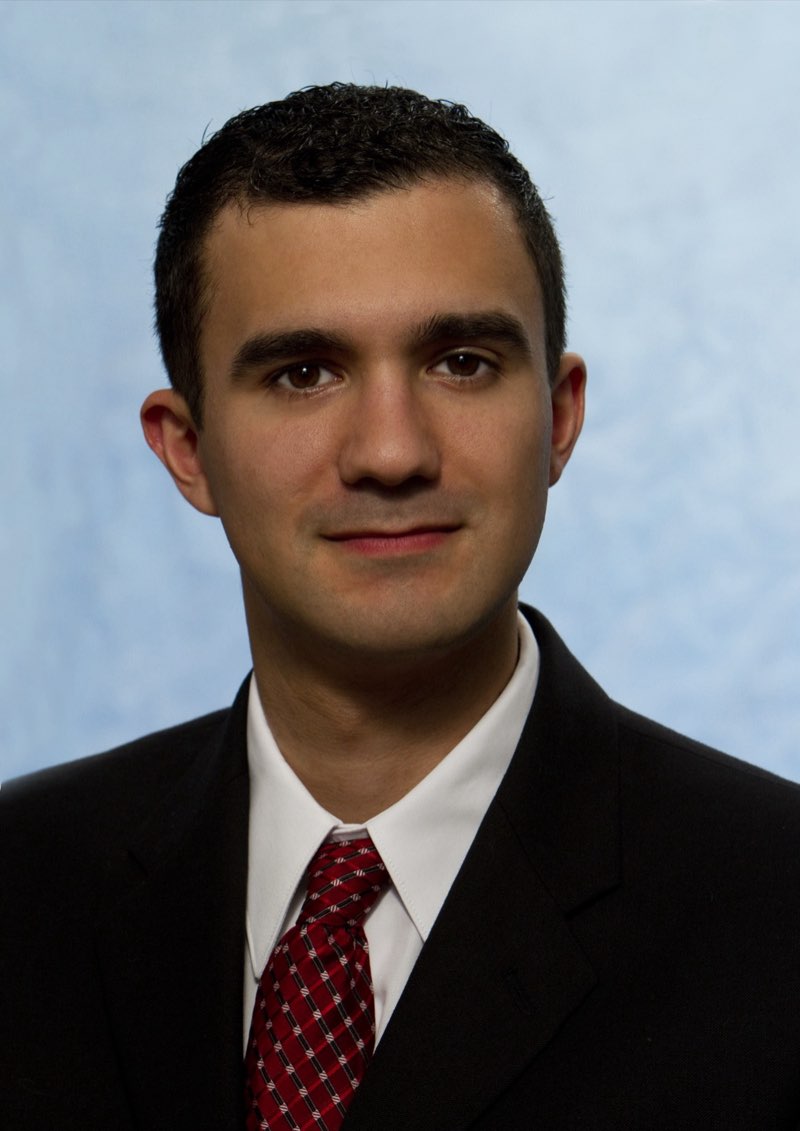
By Ryan S. Sultan, MD
Assistant Professor of Clinical Psychiatry, Columbia University Irving Medical Center
Double Board-Certified in Adult Psychiatry & Child/Adolescent Psychiatry
Published:
Quick Answer: LGBTQ+ Affirming Psychiatrist in NYCLGBTQ+ affirming psychiatric care treats identity as given rather than as a treatment target, and applies the minority stress framework: elevated rates of depression, anxiety, and substance use in LGBTQ+ populations are driven by stigma, discrimination, concealment, and rejection — not by identity itself. Dr. Ryan Sultan is a Columbia University psychiatrist practicing at 80 Eighth Avenue in Chelsea, and a member of the LGBTQ+ community. |
I'm gay. I mention it because the most common reason patients tell me they came is that they were tired of explaining.
What affirming care actually means
Not a rainbow sticker. Three specific things:
Your identity is not the pathology. It's not a treatment target, it's not the presenting problem unless you say it is, and it doesn't get quietly reframed as a symptom of something else.
The minority stress framework is applied. Depression, anxiety, substance use, and suicidality occur at elevated rates in LGBTQ+ populations. The evidence attributes this to chronic exposure to stigma, discrimination, concealment, rejection, and internalized stigma — not to being gay or trans. That distinction determines what treatment addresses.
No translation required. You shouldn't have to explain what a chosen family is, why a Thanksgiving visit is not a neutral event, what it costs to be closeted at work, or the structure of a non-monogamous relationship before you can get to what you came in for.
On conversion therapy
Ineffective, harmful, and rejected by every major medical and psychological body. New York prohibits it for minors under a 2019 law.
I say so explicitly because some practices that market to this population have histories worth knowing about — particularly in the compulsive sexual behavior space, where addiction framing has been used to pathologize ordinary gay sexual behavior.
What I see
Family rejection and its aftermath. Rejection in adolescence is among the strongest documented predictors of adverse mental health outcomes in this population, and the effects persist for decades. A great deal of what presents as depression or anxiety in gay adults in their thirties and forties traces here.
Anxiety and depression. Standard treatment, with the minority stress context accounted for rather than ignored.
Substance use. Elevated rates, including stimulant use in sexualized contexts. I ask about this clinically and without moralizing. It is one of the areas where people most expect judgment and most need a straight conversation instead.
ADHD. My research area, and frequently late-identified in adults whose difficulties were attributed to other things.
Concealment and vigilance at work. Real, chronic, and metabolically expensive. It shows up as burnout.
HIV-related mental health. Diagnosis-related distress, adherence, PrEP-related anxiety, and the neuropsychiatric effects of both HIV and its treatment.
Relationship structures. Assessed as they are, not against an assumed default.
Gender-affirming care — my scope
I want to be precise rather than implying more than I offer.
What I do: psychiatric care for transgender and nonbinary patients — ADHD, anxiety, depression, autism, which co-occurs at elevated rates — with your identity taken as given rather than examined.
What I don't do: act as a gatekeeper. WPATH Standards of Care version 8 and the informed consent model have moved the field away from requiring mental health assessment before hormones or surgery, and I think that shift is correct.
If a surgeon or program requires a letter of support, raise it in your first contact with the office — you'll get a direct answer about whether this practice can provide what you need before you book, not after.
Practical
80 Eighth Avenue, Chelsea — at the West Village border. Location and transit.
Telehealth in New York, Virginia, Montana, and Florida.
Out-of-network. What that costs.
In crisis: 988, or the Trevor Project at 1-866-488-7386 for LGBTQ+ young people.
Related
Anxiety · Depression · Addiction · ADHD · Adult autism · Compulsive sexual behavior · Adolescent psychiatry
Frequently Asked Questions
What makes a psychiatrist LGBTQ+ affirming?
Treating identity as given rather than as a treatment target, applying the minority stress framework to understand elevated rates of depression, anxiety, and substance use, and not requiring patients to explain the basics of their lives before getting to clinical work.
Are you part of the LGBTQ+ community?
Yes. Many patients tell me this matters to them because it removes the translation step. It is not a substitute for clinical competence, and it isn't the reason to choose a clinician on its own.
Do you provide gender-affirming care?
I provide psychiatric care to transgender and nonbinary patients with identity taken as given, and I don't act as a gatekeeper — WPATH SOC-8 and the informed consent model have moved the field away from requiring mental health assessment before hormones or surgery.
Why are mental health problems more common in LGBTQ+ people?
The evidence points to minority stress — chronic exposure to stigma, discrimination, concealment, and rejection — rather than to sexual orientation or gender identity. Family rejection in adolescence is among the strongest documented predictors.
Is conversion therapy legal in New York?
It is prohibited for minors under a 2019 state law. It is also ineffective and harmful, and rejected by every major medical and psychological body.
Do you see LGBTQ+ adolescents?
Yes. I'm board-certified in Child & Adolescent Psychiatry. Confidentiality structure is set out explicitly with everyone present at the first appointment, which matters particularly for young people who aren't out to their families.
Reviewed by Ryan S. Sultan, MD
Assistant Professor of Clinical Psychiatry, Columbia University Irving Medical Center
Board Certified — Adult Psychiatry (2015) and Child & Adolescent Psychiatry (2016), ABPN
NPI 1972893642
Psychotherapy training
Psychoanalytic psychotherapy — Emory University Psychoanalytic Institute; Columbia University Center for Psychoanalytic Training and Research
Cognitive Behavioral Therapy — trained at Weill Cornell Medicine during child psychiatry fellowship (Avital Falk, PhD; Angela Chiu, PhD); contributed to MATCH-ADTC workbook materials for youth
Dialectical Behavior Therapy — DBT skills within individual psychotherapy
EMDR · Exposure and Response Prevention
Certified Mind-Body Medicine Physician — Benson-Henry Institute for Mind Body Medicine, Massachusetts General Hospital (Harvard Medical School teaching affiliate)
Licensure
New York — License #275559
Virginia — License #0101269261
Montana — License #MED-PHYS-LIC-156069 (active, exp. 03/31/2027)
Florida — Registered Out-of-State Telehealth Provider #TPME5432 (telehealth only)
Verify every credential → ryansultan.com/credentials
Columbia · NewYork-Presbyterian · Google Scholar · PubMed · ORCID 0000-0003-2061-247X
Practice: Integrative Psych, 80 Eighth Avenue, Chelsea, Manhattan, NY 10011
Last updated: August 7, 2026
Educational information only. Not medical advice. Reading this page does not establish a physician–patient relationship.