Home > Child Psychiatrist NYC
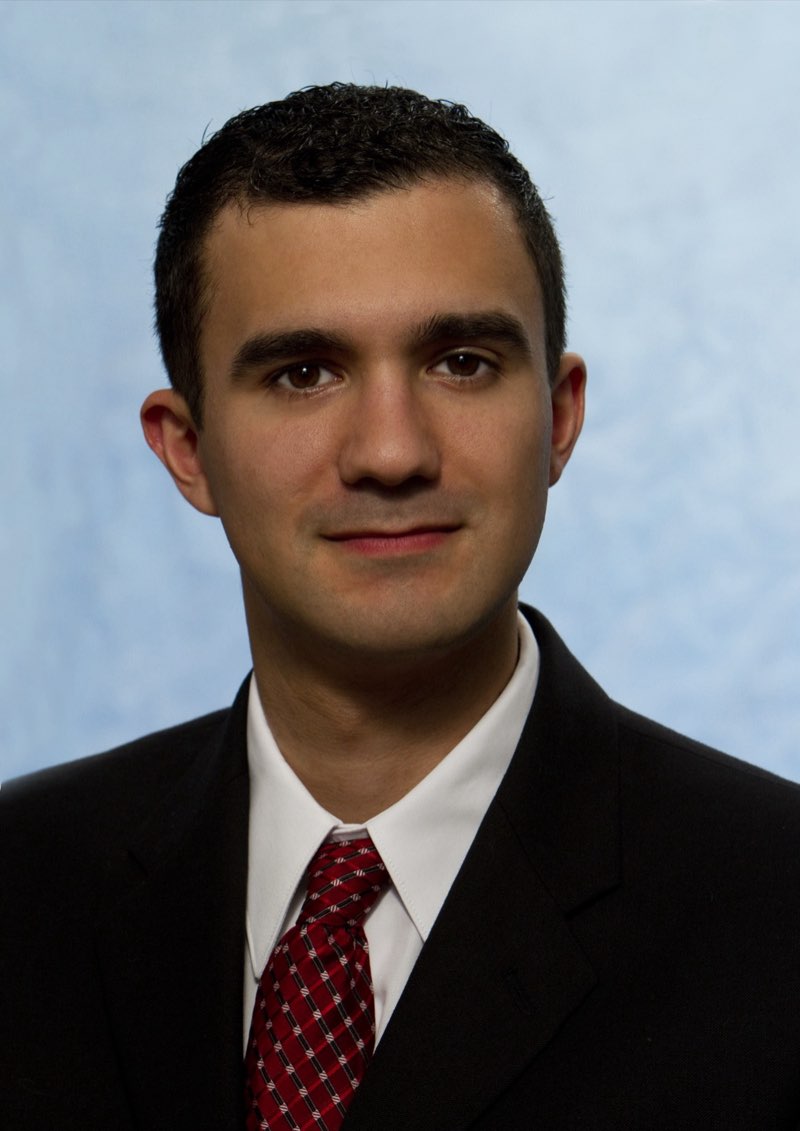
By Ryan S. Sultan, MD
Assistant Professor of Clinical Psychiatry, Columbia University Irving Medical Center
Double Board-Certified in Adult Psychiatry & Child/Adolescent Psychiatry
Published:
Quick Answer: Child Psychiatrist in NYCDr. Ryan Sultan is a board-certified child and adolescent psychiatrist in Chelsea, Manhattan, and Assistant Professor of Clinical Psychiatry at Columbia University. He completed child psychiatry fellowship at NewYork-Presbyterian (Columbia and Weill Cornell) and is separately board-certified in Adult Psychiatry. His published research concerns pediatric prescribing safety, including a 2019 JAMA Network Open study of 187,563 youths on antipsychotic prescribing in ADHD. Child and adolescent psychiatry is a distinct subspecialty requiring two additional fellowship years beyond general psychiatry residency; many clinicians treating children have not completed it. Initial evaluations run 60 to 90 minutes. |
In 2022, 11.4% of US children aged 3 to 17, about 7.1 million, had ever received an ADHD diagnosis, and 77.9% of children with current ADHD had at least one co-occurring condition such as anxiety, depression, or autism (CDC, National Survey of Children's Health). Diagnosis and prescribing decisions for those children fall, more often than families realize, to clinicians without child psychiatry training.
The credential question, answered plainly
Child and adolescent psychiatry is a separate subspecialty requiring two additional fellowship years beyond general psychiatry residency and a separate board examination.
A large share of the clinicians prescribing psychiatric medication to children in New York have not completed that training: general psychiatrists, pediatricians, nurse practitioners. Many are careful and competent. But when the question is a complex diagnosis in a nine-year-old, or whether to add a second medication to a child who's already on one, subspecialty training is the thing you're actually shopping for.
I completed fellowship at NewYork-Presbyterian across the Columbia and Weill Cornell campuses, and hold board certification in both Adult Psychiatry (2015) and Child & Adolescent Psychiatry (2016). Verify at Columbia.
What I'm careful about
My best-known paper is about overprescribing to children.
In JAMA Network Open, 2019, my team followed 187,563 commercially insured youths with a new ADHD diagnosis. Within a year, 2.6% had been prescribed an antipsychotic, and of those, 47.9% had never received a stimulant first, despite stimulants being the evidence-supported first-line treatment. The proportion prescribed antipsychotics was highest in preschoolers aged 3 to 5, at 4.3%.
That work shapes how I practice, in both directions. Untreated ADHD carries real, measured harms, which my 2021 J Adolesc Health paper documents: suicide attempts aOR 2.9, school suspension aOR 4.1, expulsion aOR 3.3, elevated substance use across categories. Medication has a genuine place in pediatric psychiatry.
Within that place, I start with the smallest effective intervention, follow guideline sequencing rather than skipping to what's fastest, and revisit whether each medication is still earning its keep. The AAP's 2019 guideline names parent training in behavior management as first-line treatment for ages 4 to 6, before medication, and that step is frequently bypassed because it's slower and harder to arrange than a prescription.
What I evaluate and treat
- ADHD across childhood, my research area
- Anxiety disorders, including school refusal and separation anxiety
- Depression and mood disorders
- Autism spectrum: clinical evaluation and management of co-occurring conditions
- OCD, including ERP, which is the treatment with the evidence behind it and is frequently missing from what families are offered
- Disruptive behavior and irritability, where diagnostic clarity matters most and antipsychotics are most often reached for prematurely
- Second opinions on existing diagnoses and medication regimens
How I work with families
Evaluation is a family process. Parents, the child, and, with permission, the school. Teacher input is genuinely diagnostic for ADHD rather than a formality.
Children are told what's happening, in language matched to their age. Children who understand their treatment do better with it.
Parents get the actual reasoning, well past "let's try this and see": what I think is going on, what the alternatives are, what the evidence says, and what would make me change course.
I say when medication misses the point. Sleep, school placement, family stress, learning disability, and undiagnosed anxiety all masquerade as behavioral problems. Medicating those makes things worse.
"Will medication change who my son is?"
A parent asks me a version of that question in most first evaluations; the wording above is a composite rather than a quote from any one family. It deserves a real answer.
At the right dose, stimulants reduce ADHD symptoms and leave personality alone. A child who seems flattened, muted, or "less himself" is showing a dose or medication problem, and both are fixable; that presentation is a reason to call me, never something to accept as the price of focus. The larger risk runs the other way. In my 2019 study, preschoolers aged 3 to 5 had the highest proportion of antipsychotic prescribing (4.3%), which means the children least able to describe side effects were receiving the heaviest medications. Careful prescribing, with parents watching and reporting, is the protection against both failure modes.
Adolescents
Teenagers need a different approach, built around confidentiality, autonomy, driving safety, substance use, and the transition to adult care. That's covered separately: adolescent psychiatrist NYC.
What this practice covers, and what it refers out
This practice fits evaluation and ongoing treatment of ADHD, anxiety, depression, OCD, autism-related co-occurring conditions, and disruptive behavior, from roughly age 4 through adolescence, plus second opinions on existing regimens.
Some situations belong elsewhere, and saying so plainly is part of the job. Formal autism diagnostic testing with instruments like the ADOS happens with testing psychologists; I evaluate autism clinically, manage co-occurring conditions, and refer for formal testing when the question requires it. Acute safety concerns, meaning active suicidal intent, self-injury needing medical attention, or new psychosis, belong in the nearest emergency department, or call or text 988; outpatient care picks up after stabilization. And families who need in-network care should choose it without apology, since consistency of care matters more than any single clinician.
Cost and scheduling
The practice is out-of-network with all insurers. You pay directly and receive a superbill after each visit to submit under your plan's out-of-network benefit; it's worth checking those benefits before the first appointment. Fee details are on the out-of-network cost page, and evaluation pricing is on the ADHD evaluation cost page.
The initial evaluation runs 60 to 90 minutes, with parents involved throughout. Schedule an evaluation.
Related
Adolescent psychiatry · ADHD · Autism evaluation · Anxiety · OCD · Second opinions · ADHD in children
Frequently Asked Questions
What is a child psychiatrist, and how is it different from a therapist or pediatrician?
A child and adolescent psychiatrist is a physician who completed medical school, psychiatry residency, and two additional years of fellowship in child and adolescent psychiatry. They can diagnose, prescribe, and provide psychotherapy. Therapists provide psychotherapy but cannot prescribe. Pediatricians prescribe but have not completed psychiatric subspecialty training.
How do I know if a child psychiatrist is actually board-certified in child psychiatry?
Ask directly and verify through the ABPN certification lookup. Many clinicians treating children are general psychiatrists or nurse practitioners without the subspecialty fellowship. It is a fair question and a reasonable one to ask.
At what age can a child be evaluated?
Meaningful psychiatric evaluation is possible from preschool age, though the approach differs substantially by developmental stage. ADHD is generally diagnosable from age 4, and the AAP's 2019 guideline names parent training in behavior management as the first-line treatment for ages 4 to 6, before medication.
Will you put my child on medication?
Only when it is indicated and after less intensive options have been considered. My most-cited research is about antipsychotics being prescribed to children without appropriate indication, which shapes how conservatively I approach pediatric prescribing.
Do you talk to my child's school?
With your consent, yes. Teacher observation is genuinely diagnostic for ADHD and for anxiety presenting as school avoidance. It is one of the most useful pieces of information in a pediatric evaluation and one of the most often skipped.
Can you see my child by telehealth?
For many presentations, yes. Some evaluations, particularly younger children and complex developmental questions, are better in person. I'm licensed in New York, Virginia, and Montana, and registered for telehealth in Florida.
Do you diagnose autism?
I evaluate autism clinically and manage co-occurring conditions such as ADHD, anxiety, and OCD. Formal diagnostic testing with instruments like the ADOS happens with testing psychologists, and I refer for it when the question requires that level of documentation.
How much does a child psychiatrist cost in NYC?
The practice is out-of-network with all insurers; you pay directly and receive a superbill for reimbursement under your plan's out-of-network benefit. The initial evaluation runs 60 to 90 minutes. See what out-of-network psychiatric care costs and check your out-of-network benefits.
Reviewed by Ryan S. Sultan, MD
Assistant Professor of Clinical Psychiatry, Columbia University Irving Medical Center
Board Certified — Adult Psychiatry (2015) and Child & Adolescent Psychiatry (2016), ABPN
NPI 1972893642
Psychotherapy training
Psychoanalytic psychotherapy — Emory University Psychoanalytic Institute; Columbia University Center for Psychoanalytic Training and Research
Cognitive Behavioral Therapy — trained at Weill Cornell Medicine during child psychiatry fellowship (Avital Falk, PhD; Angela Chiu, PhD); contributed to MATCH-ADTC workbook materials for youth
Dialectical Behavior Therapy — DBT skills within individual psychotherapy
EMDR · Exposure and Response Prevention
Certified Mind-Body Medicine Physician — Benson-Henry Institute for Mind Body Medicine, Massachusetts General Hospital (Harvard Medical School teaching affiliate)
Licensure
New York — License #275559
Virginia — License #0101269261
Montana — License #MED-PHYS-LIC-156069 (active, exp. 03/31/2027)
Florida — Registered Out-of-State Telehealth Provider #TPME5432 (telehealth only)
Verify every credential → ryansultan.com/credentials
Columbia · NewYork-Presbyterian · Google Scholar · PubMed · ORCID 0000-0003-2061-247X
Practice: Integrative Psych, 80 Eighth Avenue, Chelsea, Manhattan, NY 10011
Last updated: August 8, 2026
Educational information only. Not medical advice. Reading this page does not establish a physician–patient relationship.