Home > Anxiety Psychiatrist NYC
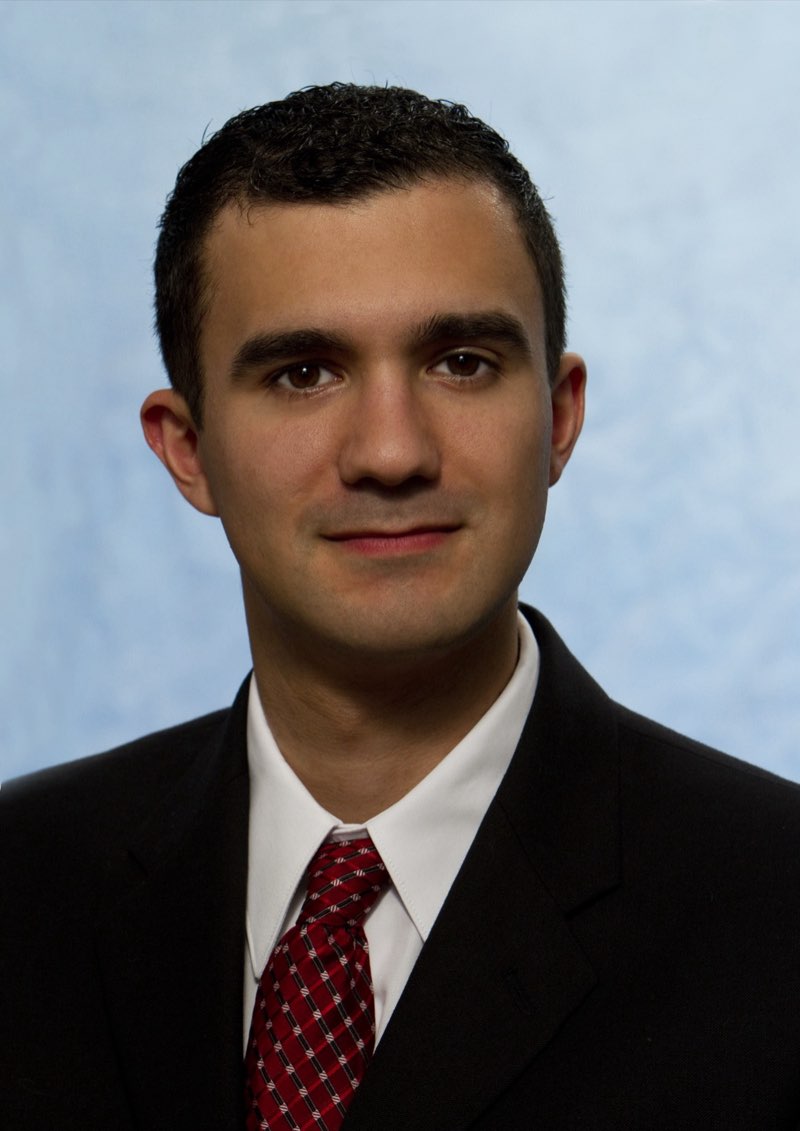
By Ryan S. Sultan, MD
Assistant Professor of Clinical Psychiatry, Columbia University Irving Medical Center
Double Board-Certified in Adult Psychiatry & Child/Adolescent Psychiatry
Published:
Quick Answer: Anxiety Psychiatrist in NYCAnxiety disorders are the most common psychiatric conditions: 19.1 percent of US adults had one in the past year and 31.1 percent meet criteria at some point in life, per the National Comorbidity Survey Replication (2001–2003), the dataset behind NIMH's current prevalence figures. Generalized anxiety, panic disorder, social anxiety, and health anxiety have distinct presentations and distinct first-line treatments. CBT is first-line for most, with SSRIs and SNRIs effective alternatives or additions, and combination preferred in severe cases. Dr. Ryan Sultan is a Columbia University psychiatrist in Chelsea, Manhattan providing both medication management and CBT, starting with a 60–90 minute initial evaluation. |
An estimated 19.1 percent of US adults had an anxiety disorder in the past year, and 31.1 percent meet criteria at some point in life, according to the National Comorbidity Survey Replication (2001–2003), still the reference dataset for NIMH's prevalence statistics. Anxiety is the most common reason people see a psychiatrist and one of the most commonly mistreated, usually because "anxiety" gets handled as a single condition when it's several, with different first-line treatments.
The same survey program documented how long people wait: median delays between disorder onset and first treatment contact ran 9 to 23 years across the anxiety disorders (Wang and colleagues, Archives of General Psychiatry, 2005). Most of that delay is people managing around the problem while it compounds. The practical starting point is figuring out which condition you actually have, because the treatment follows from the diagnosis.
Which anxiety disorder
| Disorder | What defines it | First-line |
|---|---|---|
| Generalized anxiety | Persistent worry across multiple domains, 6+ months, hard to control | CBT or SSRI/SNRI |
| Panic disorder | Recurrent unexpected panic attacks plus fear of more | CBT with interoceptive exposure |
| Social anxiety | Fear of scrutiny in social or performance situations | CBT with exposure |
| Health anxiety | Preoccupation with having a serious illness | CBT adapted; reassurance is the trap |
| OCD | Obsessions with compulsions | ERP specifically |
| PTSD | Trauma-related, with re-experiencing and avoidance | Trauma-focused therapy |
OCD and PTSD were reclassified out of the anxiety disorders in DSM-5, and the reclassification was clinically meaningful: they respond to different treatments. Treating OCD as generic anxiety is one of the more consequential errors in this area, common enough that I screen for obsessions and compulsions in every anxiety evaluation.
Before diagnosing anxiety
Several medical conditions produce anxiety indistinguishable from a primary anxiety disorder:
- Thyroid dysfunction: a simple blood test, frequently unchecked
- Cardiac arrhythmia, particularly SVT: palpitations and a surge of fear, often mistaken for panic
- Sleep apnea and chronic insufficient sleep
- Caffeine: the amount involved is often higher than people report
- Stimulants, prescribed or otherwise
- Alcohol or benzodiazepine withdrawal, including rebound anxiety between doses
I screen for these. A psychiatric diagnosis given without excluding them is a guess.
How the evaluation works
Initial evaluations run 60 to 90 minutes, and the length is deliberate. The differential above can't be sorted in a 15-minute medication check, and the history that separates panic disorder from SVT, or GAD from ADHD-driven anticipatory anxiety, takes time to gather.
The evaluation covers the symptom timeline, what triggers and relieves the anxiety, sleep, caffeine and substance use, medical history and recent labs, family history, and a close review of every prior treatment: what was tried, at what dose, for how long, and what happened. Failed treatment is diagnostic information. An SSRI that "didn't work" after three weeks at a starting dose tells a different story than one that failed a full trial at a therapeutic dose.
You leave the first visit with a working diagnosis and a specific plan, which sometimes includes a referral elsewhere when that's the better fit.
Treatment
CBT is first-line for most anxiety disorders. The evidence is specific enough to quote. A 2018 meta-analysis of 41 randomized placebo-controlled trials covering 2,843 patients (Carpenter and colleagues, Depression and Anxiety) found CBT outperformed placebo on target-disorder symptoms with a moderate pooled effect, a Hedges' g of 0.56, and patients receiving CBT were roughly three times as likely to respond as patients on placebo. Effects were largest for generalized anxiety and OCD. Within CBT, exposure-based methods carry the strongest evidence: avoidance appears to be the main factor maintaining anxiety, and protocols that leave avoidance in place tend to leave the disorder in place. I provide CBT directly.
SSRIs and SNRIs are effective and reasonable first-line alternatives, particularly at higher severity or where therapy isn't accessible. They take 4–6 weeks and often transiently increase anxiety in the first two. Starting low avoids the early discontinuation that causes most treatment failures.
Benzodiazepines deserve a straight answer. They work, fast. They also interfere with the exposure learning CBT depends on, produce tolerance and dependence with regular use, and leave the underlying condition untouched. There are legitimate short-term and situational uses. Standing daily prescriptions for chronic anxiety usually make the long-term picture worse, and unwinding them is a significant part of what I do in second opinions.
Combination treatment, therapy plus medication, is generally preferred for severe presentations. Having one clinician provide both removes the coordination gap.
Anxiety with something else
Anxiety rarely appears alone.
- With ADHD: very common, and the sequencing question matters. Anxiety secondary to years of ADHD-related failure often improves when the ADHD is treated.
- With depression: the most common pairing. Frequently the same treatment addresses both.
- With substance use: particularly alcohol and cannabis, both of which relieve anxiety acutely and worsen it over time.
- With autism: anxiety in autistic adults is often driven by sensory and social demands rather than a primary anxiety disorder, and responds to different interventions.
A composite case
The following is a composite drawn from multiple patients, with identifying details changed. It describes a pattern, not a person.
A woman in her late 20s was referred for "anxiety and stress." She'd done four years of weekly supportive therapy, liked her therapist, and had gotten no better. A structured interview surfaced what the referral hadn't: intrusive thoughts of harming family members, hours a day of silent counting and mental reviewing to neutralize them, and a life quietly arranged so she was never alone with her infant nephew. That's OCD with covert compulsions. It had been treated as generic anxiety since college, and talk therapy centered on exploring the thoughts had likely reinforced the reviewing ritual.
Treatment changed to exposure and response prevention plus an SSRI at the higher dosing OCD typically requires, and the anxiety she'd carried for eight years began moving within three months. The lesson generalizes: when years of treatment haven't worked, re-examine the diagnosis before adding another medication.
Who this practice fits, and when to go elsewhere
This practice fits people whose anxiety picture is complicated: diagnostic uncertainty, prior treatments that failed, anxiety tangled with ADHD, depression, or substance use, or a standing benzodiazepine prescription that needs a careful unwind. It also fits people who want medication and CBT from one clinician rather than coordinating two.
It's a worse fit for some situations, and I'd rather say so here than in a paid consultation. If you have a single, straightforward anxiety disorder and a tight budget, an in-network psychiatrist plus an in-network therapist is a reasonable path, and the treatments described on this page work in those settings too. If you're confident you want therapy only, with no medication evaluation, a psychologist who specializes in exposure-based CBT will cost less per session and I'm glad to suggest names. Acute crises and conditions requiring hospital-level care need emergency services rather than an outpatient consultation.
Cost and how to start
The practice is out-of-network with all insurance plans. You pay directly and receive a superbill; many PPO plans reimburse a portion of out-of-network psychiatric care after the deductible. How the math works, including what a superbill is and how to submit one, is on the fees and insurance page. You can also check your out-of-network benefits before booking, which takes one phone call to your insurer.
Treatment starts with a 60–90 minute initial evaluation covering everything described above. Schedule a consultation.
Related
CBT · Medication management · ADHD and anxiety · Panic attacks · Stress and burnout · Medication vs. therapy vs. both
Frequently Asked Questions
What kind of doctor treats anxiety?
Psychiatrists diagnose and treat anxiety disorders with medication and, in some cases, psychotherapy. Psychologists and master's-level therapists provide psychotherapy without prescribing. For most anxiety disorders CBT is first-line, so the therapy question often matters more than the prescribing question.
Is anxiety better treated with therapy or medication?
CBT is first-line for most anxiety disorders and has lower relapse rates after treatment ends. SSRIs and SNRIs are effective and reasonable alternatives, particularly at higher severity. Combination is generally preferred for severe presentations.
Do I need to be on medication forever for anxiety?
Often not. Many people complete a course of treatment, learn the skills, and discontinue medication successfully. Duration depends on severity, number of prior episodes, and whether therapy was part of the treatment.
Are benzodiazepines bad for anxiety?
They work quickly and have legitimate short-term uses. Regular daily use produces tolerance and dependence, interferes with the exposure learning CBT relies on, and leaves the underlying disorder untreated. They're a poor foundation for chronic anxiety.
Could my anxiety be a medical problem?
Possibly. Thyroid dysfunction, cardiac arrhythmia, sleep apnea, high caffeine intake, stimulants, and substance withdrawal all produce anxiety symptoms. These warrant screening before a psychiatric diagnosis is settled.
How long does anxiety treatment take?
A CBT course typically runs 12 to 20 sessions. Medication response takes 4 to 6 weeks, with the first two sometimes involving increased anxiety before improvement. Panic disorder often responds faster than generalized anxiety.
How much does an anxiety psychiatrist cost in NYC?
This practice is out-of-network with all insurance. You pay directly and receive a superbill, and many PPO plans reimburse a portion of the fee after the out-of-network deductible. The fees page explains the mechanics, and checking your own out-of-network benefits before booking takes one phone call to your insurer.
What happens at the first appointment?
An initial evaluation runs 60 to 90 minutes. It covers your symptom timeline, medical rule-outs, sleep, caffeine and substance use, and a close review of every prior treatment. You leave with a working diagnosis and a specific plan, including a referral elsewhere if that's the better fit.
Reviewed by Ryan S. Sultan, MD
Assistant Professor of Clinical Psychiatry, Columbia University Irving Medical Center
Board Certified — Adult Psychiatry (2015) and Child & Adolescent Psychiatry (2016), ABPN
NPI 1972893642
Psychotherapy training
Psychoanalytic psychotherapy — Emory University Psychoanalytic Institute; Columbia University Center for Psychoanalytic Training and Research
Cognitive Behavioral Therapy — trained at Weill Cornell Medicine during child psychiatry fellowship (Avital Falk, PhD; Angela Chiu, PhD); contributed to MATCH-ADTC workbook materials for youth
Dialectical Behavior Therapy — DBT skills within individual psychotherapy
EMDR · Exposure and Response Prevention
Certified Mind-Body Medicine Physician — Benson-Henry Institute for Mind Body Medicine, Massachusetts General Hospital (Harvard Medical School teaching affiliate)
Licensure
New York — License #275559
Virginia — License #0101269261
Montana — License #MED-PHYS-LIC-156069 (active, exp. 03/31/2027)
Florida — Registered Out-of-State Telehealth Provider #TPME5432 (telehealth only)
Verify every credential → ryansultan.com/credentials
Columbia · NewYork-Presbyterian · Google Scholar · PubMed · ORCID 0000-0003-2061-247X
Practice: Integrative Psych, 80 Eighth Avenue, Chelsea, Manhattan, NY 10011
Last updated: August 8, 2026
Educational information only. Not medical advice. Reading this page does not establish a physician–patient relationship.