Home > OCD Treatment NYC
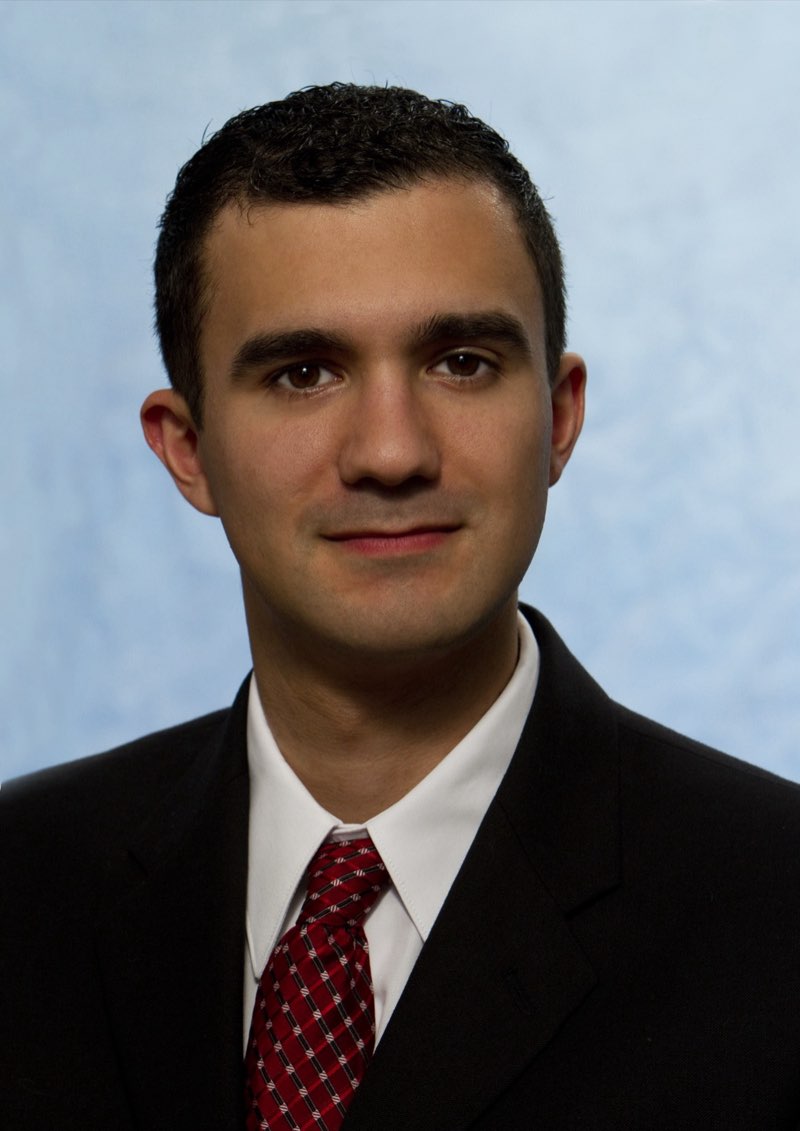
By Ryan S. Sultan, MD
Assistant Professor of Clinical Psychiatry, Columbia University Irving Medical Center
Double Board-Certified in Adult Psychiatry & Child/Adolescent Psychiatry
Published:
Quick Answer: OCD Treatment in NYCOCD involves obsessions — intrusive, unwanted thoughts, images, or urges — and compulsions performed to reduce the distress they cause. The average delay from onset to appropriate treatment is over ten years. First-line treatment is exposure and response prevention; general talk therapy can make OCD worse by supplying reassurance, which functions as a compulsion. SSRIs work but need higher doses and longer trials than depression treatment. Dr. Ryan Sultan is a Columbia University psychiatrist in Chelsea, Manhattan providing ERP and OCD medication management. |
OCD affects 1.2% of US adults in a given year and 2.3% at some point in life, based on National Comorbidity Survey Replication data collected 2001–2003 (Ruscio et al., Molecular Psychiatry, 2010). It is common, and it is still missed: in a 2021 study of 100 outpatients with OCD, the average gap between first symptoms and diagnosis was 12.8 years, with another 1.5 years between diagnosis and the start of treatment (Ziegler et al., PLOS One).
That delay has two causes: people don't recognize what they have, and clinicians frequently don't either. This page covers what OCD is, how I evaluate it, which treatments have evidence behind them and how strong that evidence is, and what treatment costs at this practice.
What OCD actually is
Obsessions are intrusive, unwanted thoughts, images, or urges that cause marked distress. They're experienced as alien to your values, which is exactly why they're so distressing.
Compulsions are repetitive behaviors or mental acts performed to reduce that distress. Washing, checking, counting, ordering, and, critically, mental compulsions: reviewing, praying, silently reassuring yourself, mentally checking whether you meant something.
The presence of mental compulsions is why "Pure O" is a misnomer. There are always compulsions; sometimes nobody can see them.
The presentations that go unrecognized for years
Contamination and checking get identified. These routinely don't:
- Harm OCD — intrusive thoughts of harming others. Frequently misread as psychosis or a personality disorder. It is neither, and people with harm OCD are not dangerous.
- Pedophilia OCD (POCD) — intrusive sexual thoughts about children in someone with no sexual interest in children. Among the most distressing presentations in psychiatry and among the most catastrophically mishandled.
- Sexual orientation OCD — compulsive doubt about one's own orientation.
- Relationship OCD — compulsive doubt about a partner or the relationship itself.
- Scrupulosity — religious or moral obsessions with compulsive confession, prayer, or reassurance-seeking.
- Health anxiety overlap — illness obsessions with checking and testing compulsions.
If any of these fit and a clinician responded with alarm rather than recognition, that was a training failure. These are recognized OCD presentations and they respond to standard treatment.
How I evaluate OCD
The initial evaluation runs 60 to 90 minutes. It covers more ground than a symptom checklist, because the diagnostic errors in OCD run in both directions: OCD gets missed for years, and other conditions get mislabeled as OCD.
What I'm mapping in that first visit:
- The full symptom inventory, including mental compulsions and avoidance. People reliably report the visible rituals and omit the mental ones, so I ask about them directly.
- Baseline severity on the Yale-Brown Obsessive Compulsive Scale (Y-BOCS), so we can measure change instead of guessing at it.
- The differential. Obsessive-compulsive personality traits, generalized anxiety, illness anxiety, tic-related presentations, and, rarely, psychotic illness can all resemble OCD. Insight is a key marker: in OCD, the person usually recognizes at some level that the fear is excessive.
- Comorbidity. Depression, other anxiety disorders, and ADHD frequently travel with OCD and change the treatment plan.
- Prior treatment, in detail. What therapy was actually delivered, and what medication at what dose for how long. Most "treatment-resistant" OCD I see turns out to be OCD that was never adequately treated.
- In children and adolescents, family accommodation: the ways parents have been drawn into rituals and reassurance. I'm board-certified in child and adolescent psychiatry, and treating the accommodation is part of treating the child.
Why so much OCD therapy doesn't work
OCD is maintained by anything that relieves the anxiety an obsession produces. Reassurance relieves it.
So a clinician who repeatedly helps you examine whether the feared thing could really happen, weighs evidence for and against, and reassures you that you're not dangerous or contaminated is, functionally, performing your compulsion with you. It feels like therapy. It strengthens the disorder.
This is why years of supportive therapy can leave someone worse and convinced they're untreatable. The treatment is exposure and response prevention, and it is a specific thing that must be asked for by name.
The evidence for ERP is unusually clean. In the reference randomized trial, 62% of patients treated with exposure and ritual prevention responded by week 12, against 42% on clomipramine and 8% on placebo; among patients who completed the full ERP course, 86% responded (Foa et al., American Journal of Psychiatry, 2005). Few treatments in psychiatry separate from placebo that widely.
Medication, dosed properly
SSRIs work for OCD. Two differences from depression treatment get missed constantly:
Higher doses. OCD generally requires doses well above standard antidepressant dosing, often at or near the upper end of the approved range. This is measured, and specific to OCD: a meta-analysis of nine fixed-dose randomized trials covering 2,268 patients found higher SSRI doses outperformed low and medium doses for OCD, a dose-response pattern that doesn't appear in depression (Bloch et al., Molecular Psychiatry, 2010). Higher doses also produced more side-effect dropouts in those trials, so I titrate deliberately and track tolerability at each step.
Longer trials. Response can take 10–12 weeks. Declaring failure at four to six weeks is routine and premature, and it produces patients who believe medication doesn't work for them when it was never adequately tried.
Clomipramine remains effective in refractory cases and is worth considering when SSRIs have genuinely failed at adequate dose and duration. In the Foa trial it produced a 42% response on its own, and it carries more side effects than SSRIs, which is why it's a second step rather than a first.
Antipsychotic augmentation helps roughly a third of partial responders. Given my published work on antipsychotic prescribing, I use it with defined stopping rules rather than indefinitely.
Combination, meaning ERP plus medication, generally outperforms either alone in moderate to severe OCD.
What treatment looks like: a composite example
This is a composite drawn from multiple patients, with identifying details changed. It is illustrative, and no outcome is guaranteed.
A woman in her late twenties arrives after four years of weekly talk therapy for "anxiety." Her actual problem: intrusive thoughts of harming her infant nephew, which she has never told anyone in full because a previous therapist looked alarmed when she started to. She spends two to three hours a day mentally reviewing past visits with him, avoids being alone with him, and asks her partner most evenings whether she seems like a dangerous person.
The evaluation identifies harm OCD with prominent mental compulsions. Baseline Y-BOCS is in the severe range. We start an SSRI and titrate toward the upper end of the range over several weeks, and she begins ERP: writing and reading the feared thoughts, holding her nephew while resisting mental review, and, hardest for her, ending the nightly reassurance ritual with her partner, who joins one session to learn his part. At week 12 her Y-BOCS has dropped to the mild-to-moderate range. She still has intrusive thoughts. They cost her minutes a day instead of hours, and she babysits her nephew alone.
Measurement
I track severity with the Y-BOCS at intervals rather than relying on impression. OCD improvement is gradual and people frequently underestimate it, which is a reason to have numbers.
Who this practice fits, and when to go elsewhere
A good fit: adults, adolescents, and children with OCD in any of its presentations, including the ones described above; people whose years of talk therapy haven't touched the OCD; people who need medication managed properly alongside ERP, or a second look at a medication regimen that was never pushed to an adequate dose or duration.
When another setting is right, I'll say so and help arrange it:
- Severe OCD that needs daily structure. When symptoms consume most of the day or someone can't leave the house, an intensive outpatient or residential OCD program delivers more ERP hours than any weekly outpatient practice can. I refer to those programs and resume care afterward.
- Active substance withdrawal. Medically supervised withdrawal management comes first; OCD treatment follows.
- Primary psychotic illness. When evaluation shows delusional conviction rather than obsessional doubt, that's a different disease with a different treatment, and I'll direct you to it.
- Hoarding as the main problem. Significant hoarding usually needs a team that can work in the home, which a Chelsea office practice can't provide alone.
Cost and how to start
The practice is out-of-network with all insurers. You pay directly and receive a superbill, an itemized receipt with the codes your insurer needs, to submit for reimbursement. Many PPO plans reimburse a meaningful portion of out-of-network psychiatric care once the deductible is met; plans vary widely, so it's worth checking your out-of-network benefits before the first visit. Full fee structure and the reasoning behind it are on the fees and insurance page.
The initial evaluation runs 60 to 90 minutes and produces a diagnosis, a baseline Y-BOCS, and a concrete plan covering ERP, medication, or both. If OCD has cost you a decade already, the next step is a scheduled evaluation: schedule a consultation.
Related
ERP therapy · Health anxiety · Anxiety · Medication management · CBT · Child psychiatry
Frequently Asked Questions
What is OCD?
Obsessions — intrusive, unwanted thoughts, images, or urges causing marked distress — together with compulsions, repetitive behaviors or mental acts performed to reduce that distress. Compulsions can be entirely mental and invisible to others.
What is the best treatment for OCD?
Exposure and response prevention is first-line. SSRIs at higher-than-standard doses are effective and often combined with ERP. For moderate to severe OCD, combination treatment generally outperforms either alone.
Why hasn't therapy helped my OCD?
Most likely because it wasn't ERP. General talk therapy for OCD frequently delivers reassurance, which relieves anxiety briefly and reinforces the disorder over time. Ask any provider whether they do exposure and response prevention specifically.
What dose of medication is needed for OCD?
Generally higher than for depression, often near the upper end of the approved range, with trials of 10 to 12 weeks before response is assessed. Premature dose and duration decisions are a common cause of apparent treatment failure.
Are intrusive thoughts about harming people dangerous?
No. Intrusive thoughts in OCD are experienced as horrifying and contrary to your values, which is precisely why they cause such distress. This presentation is well recognized in specialist OCD care and responds to ERP.
Can children have OCD?
Yes, and pediatric OCD often presents differently — with family accommodation, where parents participate in rituals to reduce a child's distress. Treating the accommodation is part of treating the child. I am board-certified in child and adolescent psychiatry.
How long does OCD treatment take to work?
ERP typically runs 12 to 20 sessions, with meaningful change often visible by session 6 to 8. SSRIs need 10 to 12 weeks at an adequate dose before response is judged. In the 2005 randomized trial by Foa and colleagues, 62% of patients receiving ERP responded by week 12.
Does insurance cover OCD treatment with Dr. Sultan?
The practice is out-of-network with all insurers. You receive a superbill after each visit to submit for reimbursement, and many PPO plans reimburse a portion of the fee once the out-of-network deductible is met. Checking your out-of-network benefits before the first visit tells you what to expect.
Reviewed by Ryan S. Sultan, MD
Assistant Professor of Clinical Psychiatry, Columbia University Irving Medical Center
Board Certified — Adult Psychiatry (2015) and Child & Adolescent Psychiatry (2016), ABPN
NPI 1972893642
Psychotherapy training
Psychoanalytic psychotherapy — Emory University Psychoanalytic Institute; Columbia University Center for Psychoanalytic Training and Research
Cognitive Behavioral Therapy — trained at Weill Cornell Medicine during child psychiatry fellowship (Avital Falk, PhD; Angela Chiu, PhD); contributed to MATCH-ADTC workbook materials for youth
Dialectical Behavior Therapy — DBT skills within individual psychotherapy
EMDR · Exposure and Response Prevention
Certified Mind-Body Medicine Physician — Benson-Henry Institute for Mind Body Medicine, Massachusetts General Hospital (Harvard Medical School teaching affiliate)
Licensure
New York — License #275559
Virginia — License #0101269261
Montana — License #MED-PHYS-LIC-156069 (active, exp. 03/31/2027)
Florida — Registered Out-of-State Telehealth Provider #TPME5432 (telehealth only)
Verify every credential → ryansultan.com/credentials
Columbia · NewYork-Presbyterian · Google Scholar · PubMed · ORCID 0000-0003-2061-247X
Practice: Integrative Psych, 80 Eighth Avenue, Chelsea, Manhattan, NY 10011
Last updated: August 8, 2026
Educational information only. Not medical advice. Reading this page does not establish a physician–patient relationship.