Home > Schizophrenia Psychiatrist NYC
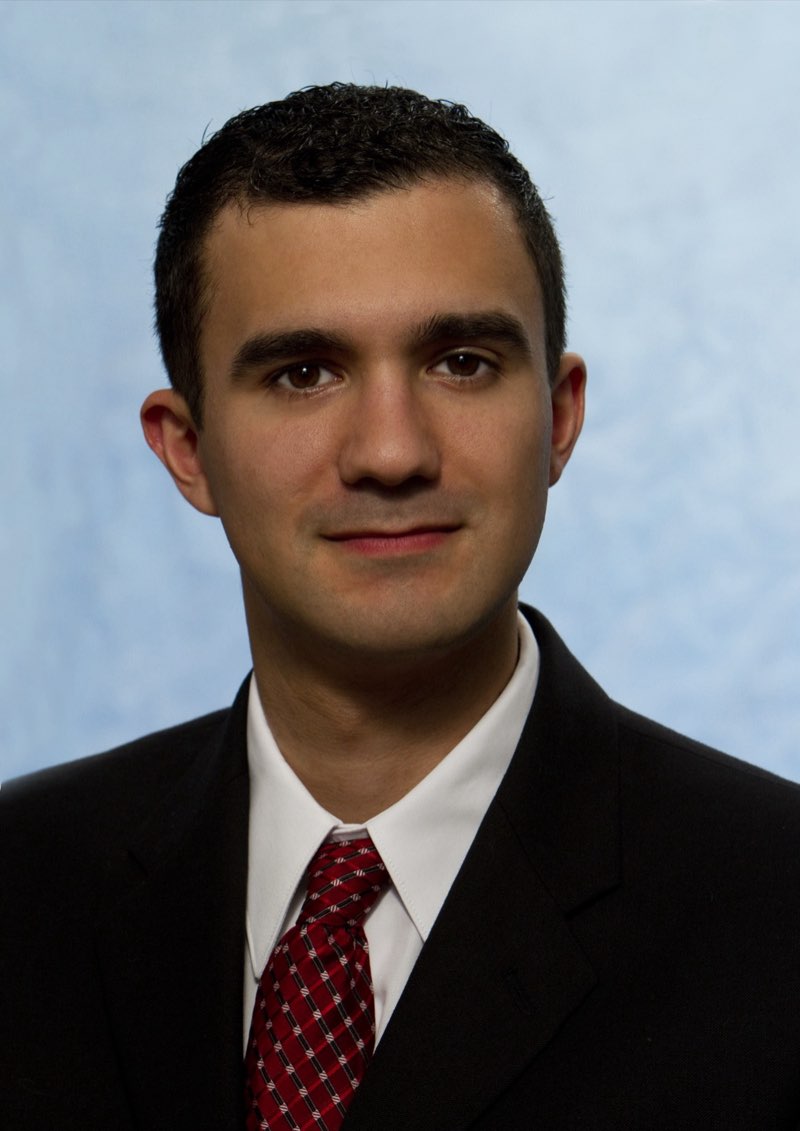
By Ryan S. Sultan, MD
Assistant Professor of Clinical Psychiatry, Columbia University Irving Medical Center
Double Board-Certified in Adult Psychiatry & Child/Adolescent Psychiatry
Published:
Quick Answer: Schizophrenia Care in NYCClozapine is the only antipsychotic with established efficacy in treatment-resistant schizophrenia — inadequate response to two adequate trials of other antipsychotics — and the only one shown to reduce suicidality in this population. It reaches roughly 4 to 5 percent of US patients with schizophrenia, while an estimated 20 to 30 percent would qualify. Dr. Ryan Sultan is a Columbia University psychiatrist in Chelsea, Manhattan who has published research on clozapine utilization and provides outpatient schizophrenia care, including clozapine initiation and management. Acute psychosis and first-episode psychosis belong in hospital-based and coordinated specialty care settings, and he refers there directly. |
Scope — read this first
I practice in an outpatient private setting in Chelsea. That is the right environment for:
- Diagnostic clarification and second opinions
- Antipsychotic optimization, including switching and dose reduction
- Clozapine initiation and management for treatment-resistant illness
- Long-acting injectable management
- Medical monitoring — metabolic, movement disorder, ANC
- Ongoing outpatient care for someone stable
It is not the right setting for acute psychosis requiring hospitalization, first-episode psychosis needing coordinated specialty care, or assertive community treatment. If that's what's needed I will say so and help find it — first-episode programs in particular produce meaningfully better outcomes than general outpatient care, and getting someone into one is worth more than treating them here.
In crisis: call or text 988, or go to the nearest emergency department.
The clozapine problem
This is my published area.
Clozapine is the only antipsychotic with established efficacy in treatment-resistant schizophrenia — inadequate response to two adequate trials of other antipsychotics. It is also the only antipsychotic shown to reduce suicidality in this population.
And it is dramatically underused. US prescribing rates run around 4–5% of patients with schizophrenia, against an estimated 20–30% who would meet treatment-resistance criteria. Hundreds of thousands of people are on medications that aren't working while the one that might is never offered.
This is not speculation about the monitoring burden — my lab measured it. When the FDA relaxed clozapine blood-count monitoring requirements in 2015, we evaluated the consequences using de-identified Veterans Affairs electronic health record data. The less restrictive guidelines did not increase agranulocytosis cases, and appeared to increase clozapine prescribing. (Columbia lab page)
That is the empirical answer to the most common objection: the monitoring that keeps clozapine underused was relaxed, and safety did not deteriorate. The 2024 REMS changes went further still.
The remaining barriers are well characterized and mostly not clinical:
- ANC monitoring requirements. Weekly initially, then less frequent. Genuinely burdensome, and manageable — see the finding above.
- Prescriber unfamiliarity. Many psychiatrists complete training having never initiated clozapine.
- Overstated risk perception. Agranulocytosis is serious and monitorable. Myocarditis is rare and detectable. Untreated treatment-resistant schizophrenia is not a safe alternative.
- Demographic disparities in who gets offered it, which is what my research documented.
If you or a family member has failed two antipsychotics and clozapine has never been discussed, that is a conversation worth having.
Diagnosis
Duration of untreated psychosis is one of the more robust predictors of long-term outcome, which makes accurate early diagnosis genuinely consequential.
What warrants careful differentiation:
- Substance-induced psychosis — stimulants, high-potency cannabis, hallucinogens. My NIDA-funded research concerns adolescent cannabis and psychosis risk; daily high-potency use carries substantially elevated risk.
- Bipolar disorder with psychotic features — different treatment, different course.
- Depression with psychotic features — responds to combined antipsychotic and antidepressant treatment, or to ECT.
- OCD with poor insight — obsessions occasionally mistaken for delusions. The treatments have nothing in common.
- Medical causes — autoimmune encephalitis, temporal lobe epilepsy, delirium, thyroid disease.
Treatment
Antipsychotics are foundational. Selection is driven by side effect profile more than efficacy, since apart from clozapine the agents perform comparably. Metabolic effects, movement disorders, sedation, and prolactin elevation differ substantially and determine whether someone stays on treatment.
Long-acting injectables deserve more consideration than they get. They remove the daily adherence question entirely and are associated with lower relapse rates. They are frequently framed as a last resort; often they are the better first choice.
Monitoring is treatment. Metabolic parameters, movement disorder screening, and prolactin. Antipsychotics carry real long-term risks and someone has to be watching for them.
Psychosocial treatment. CBT for psychosis has real evidence as an adjunct. Family psychoeducation reduces relapse. Supported employment works. None substitute for medication.
For families
You may be the one reading this. What I can offer: a clear diagnostic assessment, an honest account of what the medications do and cost, a direct answer on whether clozapine should be on the table, and a straight answer about whether this practice is the right setting or whether a hospital-based program would serve better.
Related
Bipolar · Medication management · Cannabis and substance use · Second opinions · Cannabis research · Psychosis treatment
When Psychosis Becomes an Emergency
Seek Emergency Care Immediately If:
988 Suicide and Crisis Lifeline: Call or text 988 (24/7) |
Acute psychosis requires hospital-level evaluation that outpatient care cannot provide. Go to the nearest emergency department — a first psychotic episode in particular should be evaluated the same day.
Frequently Asked Questions
What is treatment-resistant schizophrenia?
Inadequate response to two adequate trials of antipsychotic medication — meaning therapeutic doses for sufficient duration. An estimated 20 to 30 percent of people with schizophrenia meet this definition.
Why isn't clozapine prescribed more often?
Documented barriers include neutrophil monitoring requirements, prescriber unfamiliarity, overstated risk perception, and demographic disparities in who is offered it. US prescribing rates run around 4 to 5 percent against an eligible population several times larger.
Is clozapine dangerous?
It carries real risks — agranulocytosis and myocarditis among them — which is why monitoring exists. Those risks are detectable and manageable. Untreated treatment-resistant schizophrenia is not a safer alternative, and clozapine is the only antipsychotic shown to reduce suicidality in this population.
Can cannabis cause schizophrenia?
Daily high-potency cannabis use is associated with substantially elevated psychosis risk, particularly with adolescent onset. Whether it causes schizophrenia in someone who would otherwise never develop it remains debated; that it precipitates and worsens psychosis in vulnerable people is well supported.
Do you treat first-episode psychosis?
First-episode psychosis is best served by coordinated specialty care programs, which produce better outcomes than general outpatient treatment. I will say so and help arrange a referral rather than treat it here.
Are long-acting injectables better than pills?
They remove the daily adherence question and are associated with lower relapse rates. They are often framed as a last resort when for many patients they are a reasonable first choice.
Reviewed by Ryan S. Sultan, MD
Assistant Professor of Clinical Psychiatry, Columbia University Irving Medical Center
Board Certified — Adult Psychiatry (2015) and Child & Adolescent Psychiatry (2016), ABPN
NPI 1972893642
Psychotherapy training
Psychoanalytic psychotherapy — Emory University Psychoanalytic Institute; Columbia University Center for Psychoanalytic Training and Research
Cognitive Behavioral Therapy — trained at Weill Cornell Medicine during child psychiatry fellowship (Avital Falk, PhD; Angela Chiu, PhD); contributed to MATCH-ADTC workbook materials for youth
Dialectical Behavior Therapy — DBT skills within individual psychotherapy
EMDR · Exposure and Response Prevention
Certified Mind-Body Medicine Physician — Benson-Henry Institute for Mind Body Medicine, Massachusetts General Hospital (Harvard Medical School teaching affiliate)
Licensure
New York — License #275559
Virginia — License #0101269261
Montana — License #MED-PHYS-LIC-156069 (active, exp. 03/31/2027)
Florida — Registered Out-of-State Telehealth Provider #TPME5432 (telehealth only)
Verify every credential → ryansultan.com/credentials
Columbia · NewYork-Presbyterian · Google Scholar · PubMed · ORCID 0000-0003-2061-247X
Practice: Integrative Psych, 80 Eighth Avenue, Chelsea, Manhattan, NY 10011
Last updated: August 7, 2026
Educational information only. Not medical advice. Reading this page does not establish a physician–patient relationship.