Home > Jewish Psychiatrist & Therapist NYC
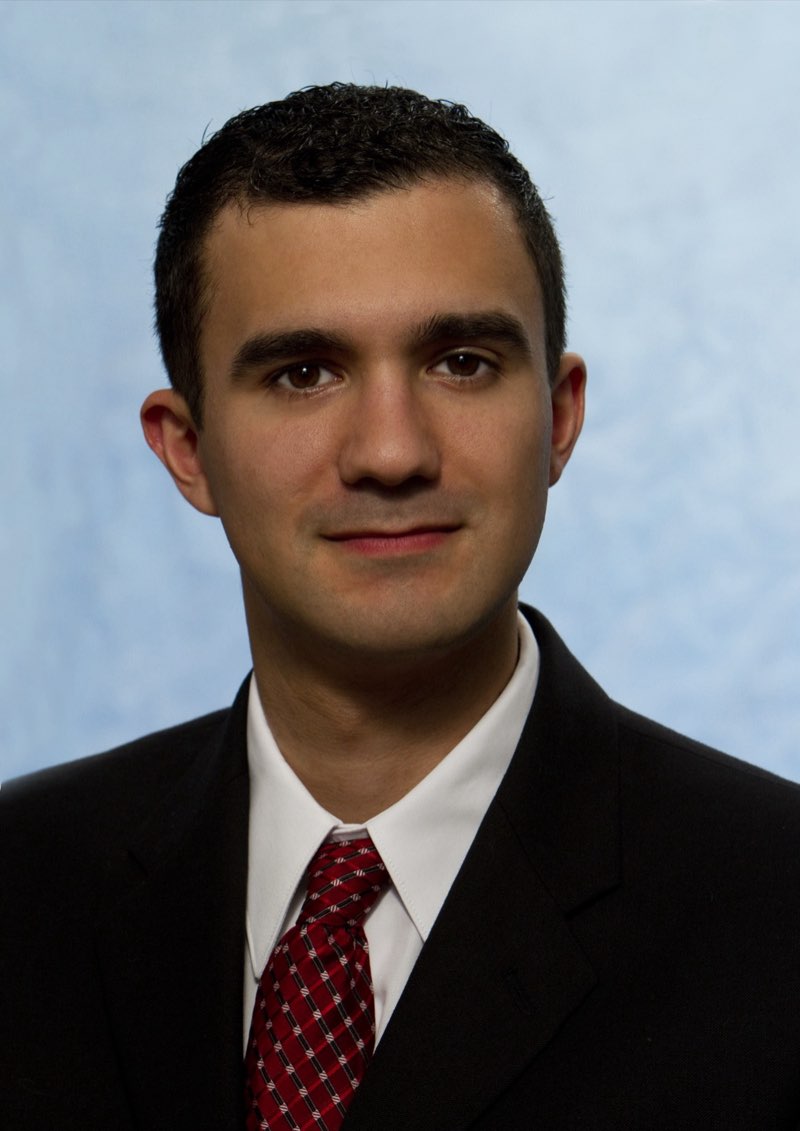
By Ryan S. Sultan, MD
Assistant Professor of Clinical Psychiatry, Columbia University Irving Medical Center
Double Board-Certified in Adult Psychiatry & Child/Adolescent Psychiatry
Published:
Quick Answer: Jewish Psychiatrist & Therapist in NYCCulturally informed care for Jewish patients addresses concrete clinical questions: medication timing on fast days like Yom Kippur, kashrut and medication formulation, Shabbat scheduling, and religious scrupulosity — an OCD presentation that responds to exposure and response prevention rather than repeated rabbinic reassurance. Disclosure concerns, including around shidduchim, are treated as legitimate clinical considerations. Dr. Ryan Sultan is a Columbia University psychiatrist in Chelsea, Manhattan, and Jewish. |
I'm Jewish, with a long-standing personal practice of Torah study — Pirkei Avot, the commentary traditions, Sephardic liturgy. That's context, not a credential, and it isn't a treatment modality.
What it means practically is that certain things don't need explaining, and certain clinical questions get asked that otherwise don't.
The clinical questions that are actually specific
Fasting and medication. Yom Kippur and Tisha B'Av are full fasts; there are several minor fasts as well. Most psychiatric medications should be continued, and abrupt discontinuation of SSRIs, mood stabilizers, or antipsychotics for 25 hours carries real risk.
Rabbinic authorities across denominations generally permit and often require taking necessary medication during a fast, with variation in the preferred method — swallowing without water, taking a bitter or altered formulation, or being exempted from fasting entirely. This is a question with a halachic answer and a medical answer, and they need to be reconciled rather than one being ignored. I'll raise it before the fast rather than after.
Kashrut and medication formulation. Gelatin capsules are the common issue. Most rabbinic authorities permit medication regardless of ingredient source, but many patients would rather have an alternative where one exists — and often one does, in tablet or liquid form. It takes one conversation and it's rarely offered.
Shabbat and holidays. Appointment scheduling, and for some patients, questions about electronic communication, telehealth timing, and what constitutes an exception for pikuach nefesh.
Religious scrupulosity. This is where I have specific expertise. Scrupulosity is a recognized OCD presentation — compulsive prayer repetition, kashrut checking, obsessive doubt about whether a bracha was said correctly, intrusive blasphemous thoughts, compulsive confession or consultation.
It is frequently mistaken for piety, including by the patient and sometimes by a rabbi. And the standard response — asking a rabbi for a ruling, then asking again — is a reassurance compulsion. The rabbi is inadvertently participating in the ritual.
The treatment is exposure and response prevention, and it can be done in a way that respects genuine observance while targeting the compulsion. That distinction — between halachic obligation and OCD-driven repetition — is the clinical work, and it usually goes better with rabbinic collaboration than around it.
Community context
The Jewish community is not one context. Secular, Reform, Conservative, Modern Orthodox, Chassidic, Sephardic, Israeli, Russian-speaking — these are substantially different clinical environments, and treating them as one is its own failure of competence.
Stigma varies. In some communities psychiatric treatment is unremarkable. In others it carries real social consequence, including around shidduchim, where a documented psychiatric diagnosis can affect matchmaking prospects for a patient and sometimes for siblings.
That concern is not irrational and it isn't resistance. It's an accurate read of a social reality, and it warrants a real conversation about what goes in the record, what a superbill discloses to an insurer, and what paying privately without submitting protects.
Intergenerational trauma. Descendants of Holocaust survivors, and of families displaced from Arab and North African countries, sometimes present with patterns that make more sense with that history in view. See PTSD.
What this isn't
I'm not a rabbi and I don't give halachic guidance. Where a question is genuinely halachic, that's a rabbi's, and I'm glad to work alongside one.
I also don't treat observance as a symptom or non-observance as a problem. Where religious practice is functioning well, it's a resource. Where it's been captured by OCD, that's the target — and the distinction is a clinical one, not a religious judgment.
Related
OCD · ERP · Anxiety · PTSD · Medication management · Child and adolescent psychiatry
Frequently Asked Questions
Should I stop my psychiatric medication on Yom Kippur?
Generally no. Abrupt discontinuation of SSRIs, mood stabilizers, or antipsychotics carries real risk, and rabbinic authorities across denominations generally permit and often require necessary medication during a fast. The method varies, and it's worth settling before the fast rather than during it.
Are psychiatric medications kosher?
Most rabbinic authorities permit medication regardless of ingredient source. Gelatin capsules are the usual concern, and alternative formulations — tablets or liquids — frequently exist. Ask; it's a short conversation that's rarely offered.
What is religious scrupulosity?
An OCD presentation involving compulsive prayer repetition, ritual checking, obsessive doubt about whether an obligation was fulfilled correctly, or intrusive blasphemous thoughts. It's frequently mistaken for piety, and it responds to exposure and response prevention rather than to repeated rabbinic reassurance.
Will a psychiatric diagnosis affect shidduchim?
It's a legitimate concern rather than resistance, and it deserves a real conversation about what enters the record, what a superbill discloses to an insurer, and what paying privately without submitting a claim protects.
Do I need a Jewish therapist?
Not necessarily. Clinical competence matters more than shared background. What shared context removes is the explaining — and for questions like fasting, kashrut, and scrupulosity, it means the right questions get asked without prompting.
Do you work with rabbis?
Where a patient wants it, yes. For scrupulosity in particular, rabbinic collaboration usually works better than treatment that ignores the religious frame, because distinguishing genuine obligation from compulsion is the core of the work.
Reviewed by Ryan S. Sultan, MD
Assistant Professor of Clinical Psychiatry, Columbia University Irving Medical Center
Board Certified — Adult Psychiatry (2015) and Child & Adolescent Psychiatry (2016), ABPN
NPI 1972893642
Psychotherapy training
Psychoanalytic psychotherapy — Emory University Psychoanalytic Institute; Columbia University Center for Psychoanalytic Training and Research
Cognitive Behavioral Therapy — trained at Weill Cornell Medicine during child psychiatry fellowship (Avital Falk, PhD; Angela Chiu, PhD); contributed to MATCH-ADTC workbook materials for youth
Dialectical Behavior Therapy — DBT skills within individual psychotherapy
EMDR · Exposure and Response Prevention
Certified Mind-Body Medicine Physician — Benson-Henry Institute for Mind Body Medicine, Massachusetts General Hospital (Harvard Medical School teaching affiliate)
Licensure
New York — License #275559
Virginia — License #0101269261
Montana — License #MED-PHYS-LIC-156069 (active, exp. 03/31/2027)
Florida — Registered Out-of-State Telehealth Provider #TPME5432 (telehealth only)
Verify every credential → ryansultan.com/credentials
Columbia · NewYork-Presbyterian · Google Scholar · PubMed · ORCID 0000-0003-2061-247X
Practice: Integrative Psych, 80 Eighth Avenue, Chelsea, Manhattan, NY 10011
Last updated: August 7, 2026
Educational information only. Not medical advice. Reading this page does not establish a physician–patient relationship.