Home > Social Anxiety Treatment NYC
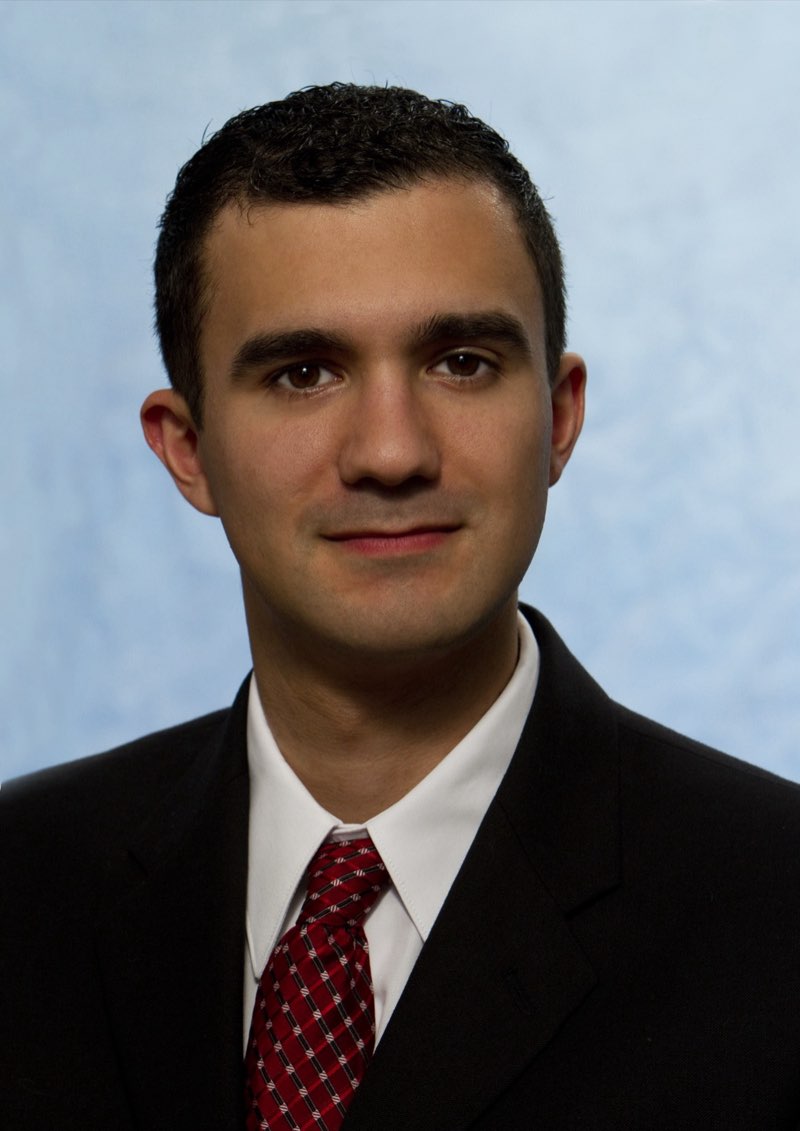
By Ryan S. Sultan, MD
Assistant Professor of Clinical Psychiatry, Columbia University Irving Medical Center
Double Board-Certified in Adult Psychiatry & Child/Adolescent Psychiatry
Published:
Quick Answer: Social Anxiety Treatment in NYCSocial anxiety disorder is a marked fear of social or performance situations involving possible scrutiny, lasting at least six months and causing real impairment. It affects roughly 7 percent of US adults, typically begins in adolescence, and the average delay before treatment is over a decade. CBT with exposure is first-line; SSRIs and SNRIs are effective. Beta blockers help only discrete performance situations, not generalized social anxiety. Dr. Ryan Sultan is a Columbia University psychiatrist in Chelsea, Manhattan providing both CBT and medication management. |
Social anxiety is the anxiety disorder most likely to be mistaken for a personality. People describe themselves as shy, introverted, or private, and never consider that a treatable condition is shaping which jobs they apply for, which relationships they pursue, and how much of their life happens.
Average delay from onset to treatment is over a decade.
What it is
Marked fear of social or performance situations where scrutiny is possible — meetings, presentations, dates, parties, eating in public, sometimes speaking on the phone. The fear is of being judged, of visible anxiety being noticed, of humiliation. It persists at least six months and produces real impairment.
Not shyness. Shyness is a temperament; it doesn't determine your career or keep you from dating. Not introversion, which is a preference for lower stimulation, not a fear of judgment.
A performance-only subtype exists — fear confined to public speaking or performing, with ordinary social functioning otherwise. It's treated differently, which is where the beta blocker question comes in.
Safety behaviors — the part that keeps it going
Avoidance maintains social anxiety. But complete avoidance isn't usually possible, so people develop safety behaviors instead: rehearsing sentences before speaking, avoiding eye contact, positioning near exits, holding a drink to occupy your hands, over-preparing, saying little.
These reduce anxiety in the moment. They also prevent you from ever learning that the situation was survivable without them — you attribute survival to the safety behavior. And several of them make social interaction worse, which supplies real evidence for the fear.
Removing safety behaviors is a core part of treatment and the part most therapy skips.
Treatment
CBT with exposure. First-line. Graded exposure to feared social situations, dropping safety behaviors, and testing predictions about what will happen. A significant component addresses the post-event rumination — the hours afterward spent reviewing everything you said — which maintains the disorder as much as the anticipation does. Typical course 12–20 sessions. I provide this directly: CBT.
SSRIs and SNRIs. Effective and well-established. Paroxetine, sertraline, and venlafaxine carry specific indications. Response takes 4–6 weeks with continued gains over months.
Beta blockers — the misconception. Propranolol is widely believed to treat social anxiety. It doesn't, in the general case.
What it does is blunt peripheral autonomic symptoms — tremor, racing heart, sweating. For a discrete performance situation, taken beforehand, that's genuinely useful and it's why musicians and public speakers use it.
For generalized social anxiety it isn't effective. It doesn't touch the cognitive dimension, which is the disorder. Prescribing propranolol for generalized social anxiety is common and mostly doesn't work, and people conclude medication failed when the right medication wasn't tried.
Benzodiazepines. Generally a poor choice here. They function as a safety behavior and interfere with exposure learning, and social anxiety carries elevated substance use risk to begin with.
The alcohol question
Alcohol use disorder is substantially more common in social anxiety than in the general population, and the reason is straightforward: alcohol works. It reliably relieves social anxiety in the short term, which makes it an effective self-medication and a dependable trap.
I ask about this directly, and not as a moral matter. Someone drinking to manage social situations has a two-part problem, and treating only the anxiety leaves the drinking to escalate. See addiction and substance use.
Related
Anxiety · Generalized anxiety · Panic disorder · CBT · Addiction · Autism in adults
Frequently Asked Questions
What is social anxiety disorder?
Marked fear of social or performance situations involving possible scrutiny, persisting at least six months and causing significant impairment. It affects roughly 7 percent of US adults and usually begins in adolescence.
Is social anxiety just shyness?
No. Shyness is a temperament that doesn't determine major life decisions. Social anxiety disorder shapes career choices, relationships, and daily functioning, and responds to treatment.
Do beta blockers work for social anxiety?
Only for discrete performance situations — public speaking, performing — where they blunt tremor and racing heart. They are not effective for generalized social anxiety because they don't address the cognitive dimension of the disorder. This distinction is frequently missed.
What is the best medication for social anxiety?
SSRIs and SNRIs are first-line, with paroxetine, sertraline, and venlafaxine holding specific indications. Response takes four to six weeks with continued improvement over several months.
How long does treatment take?
A CBT course typically runs 12 to 20 sessions. Medication response takes four to six weeks. Combination is generally preferred for severe presentations.
Could my social anxiety actually be autism?
Sometimes, and this is worth evaluating. Social difficulty in autistic adults stems from different mechanisms — sensory load, difficulty reading implicit social rules — rather than fear of judgment, and responds to different interventions. The two also co-occur.
Reviewed by Ryan S. Sultan, MD
Assistant Professor of Clinical Psychiatry, Columbia University Irving Medical Center
Board Certified — Adult Psychiatry (2015) and Child & Adolescent Psychiatry (2016), ABPN
NPI 1972893642
Psychotherapy training
Psychoanalytic psychotherapy — Emory University Psychoanalytic Institute; Columbia University Center for Psychoanalytic Training and Research
Cognitive Behavioral Therapy — trained at Weill Cornell Medicine during child psychiatry fellowship (Avital Falk, PhD; Angela Chiu, PhD); contributed to MATCH-ADTC workbook materials for youth
Dialectical Behavior Therapy — DBT skills within individual psychotherapy
EMDR · Exposure and Response Prevention
Certified Mind-Body Medicine Physician — Benson-Henry Institute for Mind Body Medicine, Massachusetts General Hospital (Harvard Medical School teaching affiliate)
Licensure
New York — License #275559
Virginia — License #0101269261
Montana — License #MED-PHYS-LIC-156069 (active, exp. 03/31/2027)
Florida — Registered Out-of-State Telehealth Provider #TPME5432 (telehealth only)
Verify every credential → ryansultan.com/credentials
Columbia · NewYork-Presbyterian · Google Scholar · PubMed · ORCID 0000-0003-2061-247X
Practice: Integrative Psych, 80 Eighth Avenue, Chelsea, Manhattan, NY 10011
Last updated: August 7, 2026
Educational information only. Not medical advice. Reading this page does not establish a physician–patient relationship.