Home > Psychiatrist for Physicians
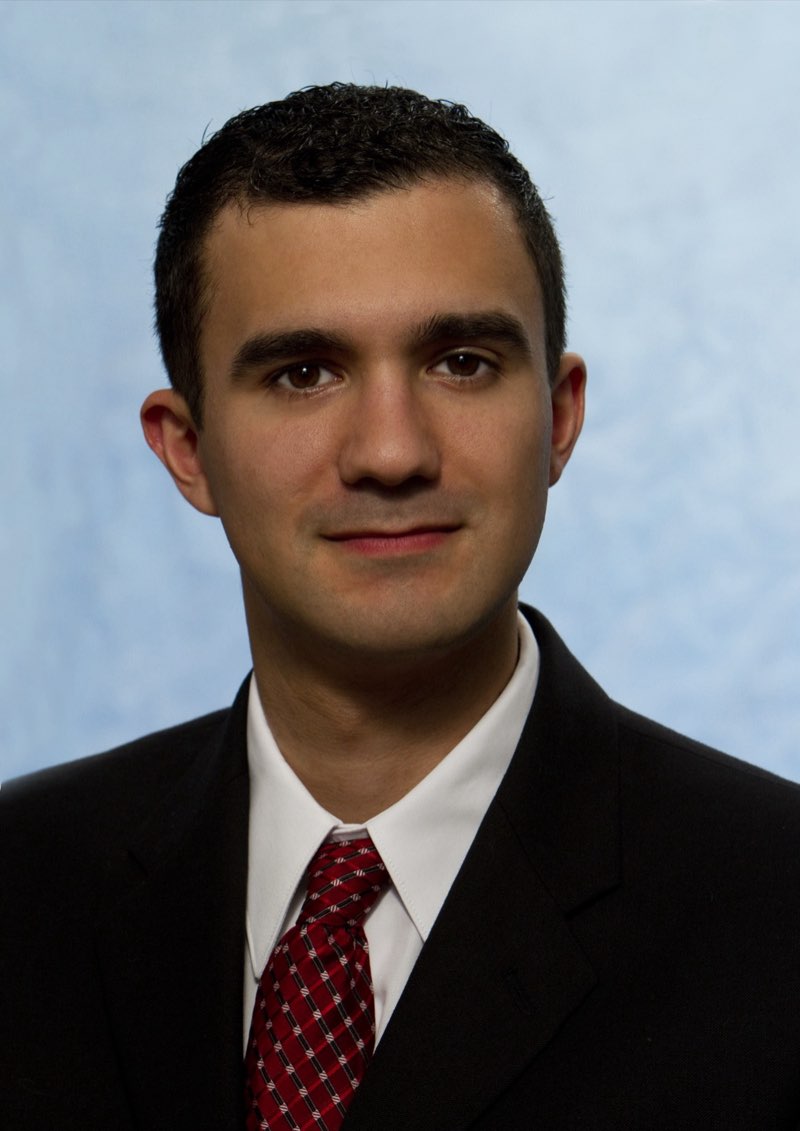
By Ryan S. Sultan, MD
Assistant Professor of Clinical Psychiatry, Columbia University Irving Medical Center
Double Board-Certified in Adult Psychiatry & Child/Adolescent Psychiatry
Published:
Quick Answer: Physicians, Confidentiality, and Getting Treated in NYCIn the most recent national data (Mayo Clinic Proceedings, 2023 survey wave), 45.2% of US physicians reported at least one manifestation of burnout, roughly twice the rate of the general working population. The fear that keeps doctors from treatment is mostly obsolete in New York: the state's physician licensure application asks about conduct and discipline, and contains no question about mental health diagnosis or treatment, and New York's medical board is among the 25 state boards verified by the Dr. Lorna Breen Heroes' Foundation as free of intrusive mental health questions. I'm a Columbia psychiatrist in Chelsea treating physicians and house staff, out-of-network by design, which means no insurance claim exists unless you choose to file one. Schedule a consultation | Check your benefits before you book |
Physicians measure everyone's health except their own, so the profession's numbers deserve stating plainly. In the most recent wave of the national burnout series (Shanafelt and colleagues, Mayo Clinic Proceedings), 45.2% of US physicians reported at least one manifestation of burnout in late 2023, an improvement from the pandemic peak of 62.8% in 2021 and still roughly twice the adjusted rate of the general working population. Physicians also die by suicide at elevated rates relative to comparable professionals; the widely repeated "a doctor a day" figure is poorly sourced and I won't print it, but the direction of the evidence is not in dispute.
I treat physicians, residents, and fellows at my practice in Chelsea and by telehealth across New York State. Doctors arrive later and sicker than almost any other professional group I see, and the delay usually has one stated reason: the belief that a psychiatric record threatens the license, the credentialing file, or both. That belief deserves a factual audit, because in New York most of it is out of date.
What New York actually asks
The New York physician licensure application, Medicine Form 1 from the State Education Department's Office of the Professions, asks its good-moral-character questions about criminal convictions, pending charges, licensing discipline, pending misconduct proceedings, and restrictions on training or privileges. It contains no question about mental health diagnosis, treatment, hospitalization, or history. Conduct is asked about; care is not. Accordingly, in September 2023 the Dr. Lorna Breen Heroes' Foundation named New York's medical board among the 25 state boards verified as Wellbeing First Champions, its designation for licensure applications free of intrusive mental health questions. The foundation is named for Dr. Lorna Breen, the NewYork-Presbyterian emergency physician whose death in April 2020 pushed this issue into federal law; the Dr. Lorna Breen Health Care Provider Protection Act was signed in March 2022.
The regulatory tide runs the same direction nationally. The Federation of State Medical Boards recommended in 2018 that boards ask, at most, about current impairment in the ability to practice safely, and never about diagnosis or treatment history. Two honest caveats belong here. First, I verified the initial New York application; renewal paperwork and other states' forms vary, and physicians licensed elsewhere should read their own board's current questions. Second, hospital credentialing committees write their own questionnaires, and some still ask more than the FSMB recommends, although the same foundation now audits and certifies health systems, and Northwell was among the first verified. Getting treated for depression is not the reportable event; practicing while impaired is. Treatment is precisely how physicians keep the second thing from happening.
Care that leaves the record where you put it
The remaining worry is the insurance trail, and out-of-network care answers it structurally. This practice bills no insurer. You pay directly, and a superbill, the itemized receipt used for reimbursement claims, is issued to you after each visit. Submit it and your plan processes a claim; keep it and no claim exists anywhere. Some of my physician patients submit every superbill and collect meaningful out-of-network reimbursement, which I explain on the cost page and Integrative Psych covers in its out-of-network reimbursement guide. Others, particularly those mid-career with credentialing cycles ahead, prefer that care stay entirely between us and treat the fee as the price of that. Both choices are rational, and the decision renews with every visit.
What physicians bring to a colleague's office
ADHD that residency structure was masking. The physician version of the high-achiever pattern: succeeded through med school on intelligence and externally imposed schedules, then attending life removed the scaffolding and the charting backlog became unmanageable. Notes closed at midnight, inbox dread, and a suspicion you've had since childhood are a reasonable prompt for a proper adult ADHD evaluation, which distinguishes ADHD from anxiety, depression, and the chronic sleep debt that medicine treats as a job requirement.
Anxiety and the perfectionism the job selects for. Medicine recruits people whose vigilance is an asset and then supplies unlimited material. When checking becomes re-checking, sleep loss precedes call nights rather than following them, and the fear of error colonizes days off, that's a treatable condition, and treating it does not dull clinical carefulness. My patients who are physicians report the opposite: attention improves when it stops being spent on dread.
Depression, which in doctors presents as depletion. Flattened affect on rounds, charts avoided, callousness where empathy used to be. The burnout literature and the depression literature overlap imperfectly, and part of the evaluation is separating an occupational syndrome that needs schedule change from a mood disorder that needs treatment. Both can be present. Getting the distinction right changes what helps.
Substance use, quietly. Access makes physician substance use distinctive, and shame makes it late-presenting. I evaluate and treat alcohol and substance use alongside mood and attention, with Integrative Psych's addiction services behind that work. Scope stated openly: medically supervised withdrawal belongs in a monitored setting, and physicians whose situation involves a monitoring program or OPMC matter need counsel alongside care; I coordinate with both rather than pretending this office replaces them.
Logistics that respect a clinical schedule
Visits run 30 to 60 minutes, medication and psychotherapy are handled by one clinician, and telehealth covers all of New York State under license #275559, which matters for a hospitalist week or a fellowship rotation upstate. Early appointments exist because clinic days don't bend. The office at 80 Eighth Avenue in Chelsea is close to the West Side institutions and a short ride from the East Side medical corridor.
The money, including for residents
Attendings on employer plans commonly hold out-of-network benefits that reimburse a substantial share of private psychiatry once the deductible is met; the benefit-check script gives the five questions to ask the member line before booking. House staff budgets are tighter and I'd rather say so than pretend otherwise. Some GME plans carry real out-of-network benefits and some don't, superbills work the same either way, and for a resident whose plan reimburses little, a network psychiatrist or the hospital's own employee assistance channels can be the financially sane choice. When the clinical picture is complicated enough that continuity with one clinician matters, that's the case for coming here.
A note that belongs on any page discussing physician depression: if you're having thoughts of suicide, call or text 988 (the Suicide and Crisis Lifeline) or go to the nearest emergency department. You've told patients the same thing; it applies to you.
Guides for professionals and specific plans
- Empire Plan (NYS employees) — The 275%-of-Medicare benefit for state workers
- Google gPPO — Google employees' out-of-network benefit, from the SBC
- Meta employees — Beyond the 25 Lyra sessions
- NYU employees — The Advantage plan: 70% with no deductible on mental health visits
- Lawyers & Big Law — The numbers on attorney mental health, and treatment that fits
- Finance professionals — The hours, the U4, and treatment before the market opens
- PPO plan directory — Decode the plan name on your card
Frequently Asked Questions
Will seeing a psychiatrist affect my New York medical license?
New York's physician licensure application (Medicine Form 1, NYSED Office of the Professions) asks about criminal and disciplinary history and contains no question about mental health diagnosis, treatment, or hospitalization. New York's medical board is among the 25 state boards verified by the Dr. Lorna Breen Heroes' Foundation as free of intrusive mental health questions. Conduct and impairment are the reportable domain; seeking treatment is not. Physicians licensed in other states should read their own board's current forms, which vary.
Do hospital credentialing applications ask about mental health treatment?
Some still do, and pretending otherwise would be dishonest. The Federation of State Medical Boards recommended in 2018 that questions address only current impairment, never diagnosis or treatment history, and the Lorna Breen Foundation now verifies health systems that have fixed their forms, with Northwell among the first. Read your institution's actual questions. Most modern forms ask about present ability to practice safely, which treatment supports rather than threatens.
Can I get psychiatric care with no insurance record at all?
Yes. This practice bills no insurer. You pay directly and receive a superbill, and whether it ever reaches your insurance company is your decision. Submit it and a claim record exists; keep it and none does. The choice renews with every visit, and physician patients here make it in both directions.
How common is burnout among physicians right now?
In the national series by Shanafelt and colleagues in Mayo Clinic Proceedings, 45.2% of US physicians reported at least one manifestation of burnout in the late-2023 survey wave, down from 62.8% at the 2021 peak and still roughly twice the adjusted rate of the general US working population. Burnout overlaps with, and is distinct from, major depression; part of a careful evaluation is telling them apart.
I'm a resident. Is out-of-network psychiatry realistic on a house staff salary?
Sometimes. Some GME plans carry genuine out-of-network benefits and reimburse a meaningful share after the deductible; others reimburse little. Check before booking, and if your plan is weak, a network psychiatrist or your institution's confidential support channels can be the sensible route. When diagnostic complexity or medication questions call for continuity with one clinician, that's the case for private care, and superbills are issued after every visit either way.
Do you treat physicians involved with OPMC or a monitoring program?
I provide psychiatric evaluation and treatment, and I coordinate with attorneys and monitoring programs rather than substituting for them. A physician in that situation needs counsel for the regulatory process and a treating clinician for the clinical one, and keeping those roles separate protects both.
Reviewed by Ryan S. Sultan, MD
Assistant Professor of Clinical Psychiatry, Columbia University Irving Medical Center
Board Certified — Adult Psychiatry (2015) and Child & Adolescent Psychiatry (2016), ABPN
NPI 1972893642
Psychotherapy training
Psychoanalytic psychotherapy — Emory University Psychoanalytic Institute; Columbia University Center for Psychoanalytic Training and Research
Cognitive Behavioral Therapy — trained at Weill Cornell Medicine during child psychiatry fellowship (Avital Falk, PhD; Angela Chiu, PhD); contributed to MATCH-ADTC workbook materials for youth
Dialectical Behavior Therapy — DBT skills within individual psychotherapy
EMDR · Exposure and Response Prevention
Certified Mind-Body Medicine Physician — Benson-Henry Institute for Mind Body Medicine, Massachusetts General Hospital (Harvard Medical School teaching affiliate)
Licensure
New York — License #275559
Virginia — License #0101269261
Montana — License #MED-PHYS-LIC-156069 (active, exp. 03/31/2027)
Florida — Registered Out-of-State Telehealth Provider #TPME5432 (telehealth only)
Verify every credential → ryansultan.com/credentials
Columbia · NewYork-Presbyterian · Google Scholar · PubMed · ORCID 0000-0003-2061-247X
Practice: Integrative Psych, 80 Eighth Avenue, Chelsea, Manhattan, NY 10011
Last updated: August 8, 2026
Educational information only. Not medical advice or insurance advice; plan terms are set by your plan documents, which control. This practice is independent of and unaffiliated with Google, Anthem, and Lyra Health. Reading this page does not establish a physician–patient relationship.